

6th Sense (Tips & Dos)

Thailand is known for having some of the best cuisine in the world. Many of these dishes are best prepared in street stalls. Therefore, it is very important to understand how we can enjoy street food without any medical complications.
If you are in Thailand, you should eat street food because it is generally considered safe and delicious — yes, you can, by using your 6th sense.
This article includes detailed tips and precautions on how to behave and make smart choices at street food stalls while staying healthy.
Headings Overview
1. The Street-Side Strategy: A Proactive Palate
-
The High-Turnover Rule: Seeking out the “Wok-Fired Rush” of busy local crowds
-
The Visual Inspection: Assessing the “Gleam of the Cart” and vendor hygiene
-
The Scrutiny of Steam: Why “Piping Hot” is your best biological defense
2. Hydration & Ice: The Liquid Logic
-
The “Hole-in-the-Middle” Mystery: Identifying safe, factory-produced commercial ice
-
The Sealed Sanctuary: Bottled vs. tap water in tropical heat
-
The Fruit Shake Equation: Avoiding accidental “Bacterial Cocktails”
3. Ingredient Awareness: Navigating the Raw & the Rare
-
The Uncooked Threshold: Risks of raw shellfish and unpeeled produce
-
Condiment Caution: When to use—or avoid—communal jars
-
The “Blood-Free” Bounty: Fully cooked proteins as a safer choice
4. The Tropical Apothecary: Your Travel First-Aid Kit
-
The Probiotic Shield: Preparing your gut before spicy food
-
The Rehydration Ritual: Using Oral Rehydration Salts (ORS)
-
The Charcoal Contingency: Quick fixes for “Bangkok Belly”
5. Dietary Diplomacy: Navigating Allergies & Heat
-
The Peanut Perimeter: Communicating “No Nuts”
-
The Scoville Scale: Managing spice tolerance
-
The Vegan Anchor: Finding plant-based options
6. The Savvy Epicurean: Sustainable Habits
-
The Hand-Sanitizer Anthem: A non-negotiable habit
-
Mindful Grazing: Small meals vs. heavy eating
-
The Recovery Grace: Listening to your body
Detailed Explanation
The Street-Side Strategy: A Proactive Palate
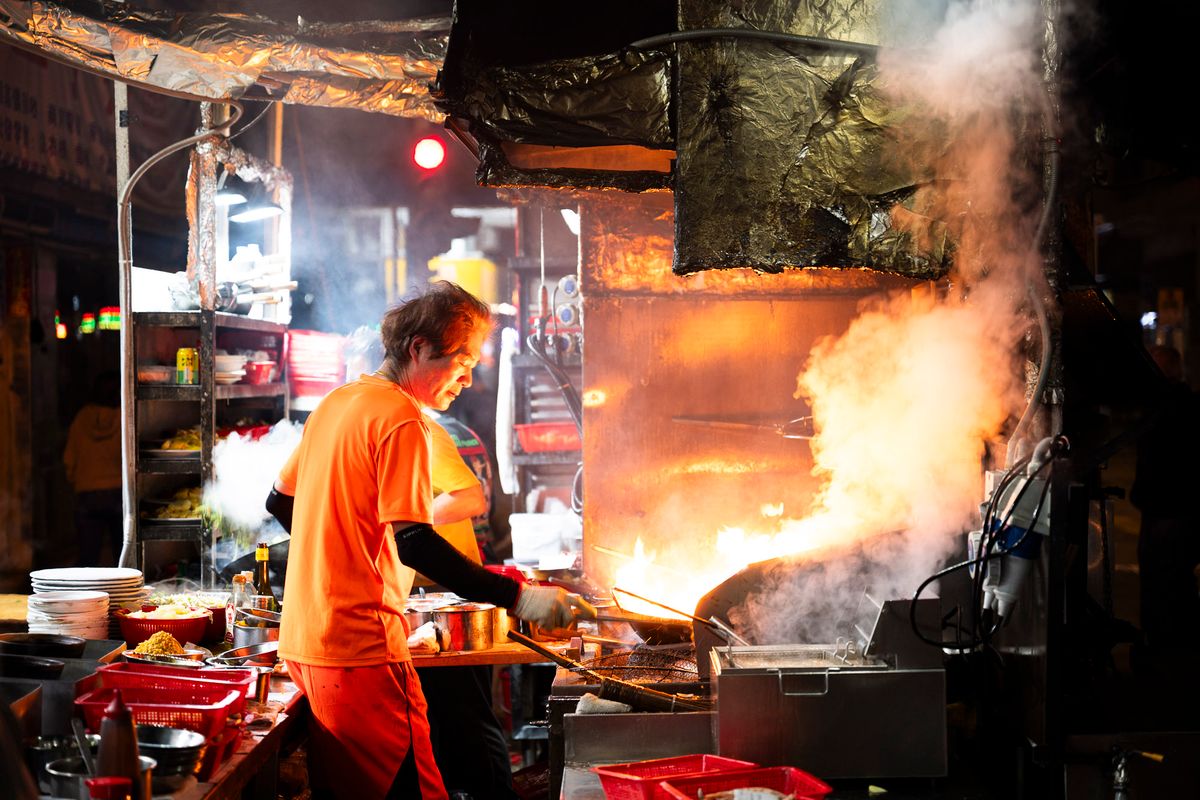
“I love to eat Thai street food and I want to stay healthy — can I?”
Yes, you can plan and act in advance for any situation through proactive thinking. When you arrive in Thailand, certain precautions can help you stay healthy.
The human body is complex. Sometimes, the same food eaten by several people may not affect them—but you could still experience food poisoning. However, there are solutions to every problem.
The first step is choosing the right food stall using your 6th sense.
The High-Turnover Rule: Seeking the "Wok-Fired Rush"
High turnover means a constant rush of local customers at a stall. This indicates that food is not sitting around in the tropical heat for long periods.
Food moves quickly—from preparation to wok to plate—within minutes. The faster the turnover, the fresher the ingredients.
Local crowds also indicate trust. Locals rely on vendors who maintain quality and avoid using contaminated water or poor-quality meat.
“Wok-fired” refers to cooking at intense heat, which kills most bacteria instantly. This acts as a natural sterilization process.
Tip: The safest places to eat are where locals gather. Common wok-fired dishes include:
Pad Krapow (Holy Basil Stir-Fry), Pad See Ew (Soy Sauce Noodles), Pad Thai, Khao Pad (Fried Rice), Pad Kee Mao (Drunken Noodles), Gai Pad Med Mamuang (Cashew Chicken), and others.
The Visual Inspection: The "Gleam of the Cart"

Visual inspection is one of the most important proactive strategies.
Carefully observe the vendor, their cart, and overall hygiene. Look at:
-
Cleanliness of utensils
-
Food storage conditions
-
Personal hygiene of the vendor
This overall assessment is called the “Gleam of the Cart.”
The Scrutiny of Steam: Why "Piping Hot" Matters
Most diseases such as food poisoning, bronchitis, and meningitis are caused by pathogens. These microorganisms thrive in warm, humid environments like Thailand.
However, cooking food at high temperatures (above 75°C / 165°F) effectively kills harmful bacteria like Salmonella and E. coli.
These bacteria are responsible for severe diarrhea, abdominal cramps, vomiting, and fever.
Conclusion:
👉 Piping hot food is your strongest defense against foodborne illness.
Hydration & Ice: The Liquid Logic

Thailand has a tropical climate (hot and humid), so staying hydrated is essential.
Always be mindful that tap water may not be safe for drinking.
The "Hole-in-the-Middle" Mystery
Choose ice that is cylindrical with a hole in the center. This type of ice is factory-produced using purified water and is generally safe.
Avoid crushed or block ice, as it may be unhygienic.
The Sealed Sanctuary
Convenience stores like 7-Eleven are reliable sources for safe drinks.
Always choose sealed bottled water. Tap water stored in tanks can develop bacteria due to heat and humidity.
Tip:
👉 Always drink sealed bottled water.
The Fruit Shake Equation
If even one ingredient in a drink is contaminated, the entire beverage becomes unsafe.
Fruit shakes can be risky because:
-
Fruits may be washed with tap water
-
Ice may not be hygienic
-
Pre-cut fruits may be exposed to bacteria
If you still want a fruit shake:
-
Choose vendors who cut fruits fresh in front of you
-
Avoid pre-cut fruit displays
Ingredient Awareness: Navigating the Raw & the Rare

Thailand is full of diverse food stalls scattered across the country, much like other nations. Every vendor has their own cooking techniques and utensils. However, you can’t always be sure if these utensils or raw ingredients are properly sterilized. For safety, it’s best to eat wok-fired items.
Tip: Raw or undercooked ingredients are the primary source of food poisoning for travelers, especially in Thailand’s tropical heat.
The Uncooked Threshold: Managing the Risks of Raw Shellfish and Unpeeled Produce
The uncooked threshold is a thin, often invisible line between fully sanitized food (cooked to kill bacteria) and raw food that carries high risk of illness.
Avoid raw shellfish such as oysters, cockles, and small fermented crabs. These are often soaked in water before serving, and if the water is contaminated, so is the seafood. Always check that it is steaming hot before eating.
Similarly, unpeeled produce—like grapes, strawberries, and lettuce—is usually washed with local tap water. While the produce itself may be healthy, the tap water can introduce bacteria. Peel or avoid such fruits and vegetables when possible.
Tip: Many travelers get sick not from hot noodles, but from raw herbs on top. To stay safe, dunk fresh herbs into your hot soup for 30 seconds before eating, or skip them.
Condiment Caution: When to Embrace—or Avoid—Communal Jars
Communal jars of salt, sugar, vinegar, or chili are common in Thai food stalls and restaurants. Thousands of hands touch them daily, making hygiene a concern.
-
Dry jars (salt, sugar, chili flakes) are generally safer because bacterial growth is limited in dry conditions.
-
Wet jars (vinegar, sauces) need extra caution. Avoid jars in areas exposed to flies or left untouched for long periods.
Tip: If others are using their own spoons to scoop condiments, skip it—it’s likely contaminated.
The "Blood-Free" Bounty: Fully Cooked Proteins as a First-Timer’s Gold Standard
The golden rule for first-time visitors is the “Blood-Free Bounty”: never eat meat that is still pink or bloody.
Undercooked meat can carry pathogens such as Streptococcus species, increasing the risk of fever and foodborne illness.
Tip: Always choose freshly grilled or wok-fired dishes.
The Tropical Apothecary: Your Travel First-Aid Kit
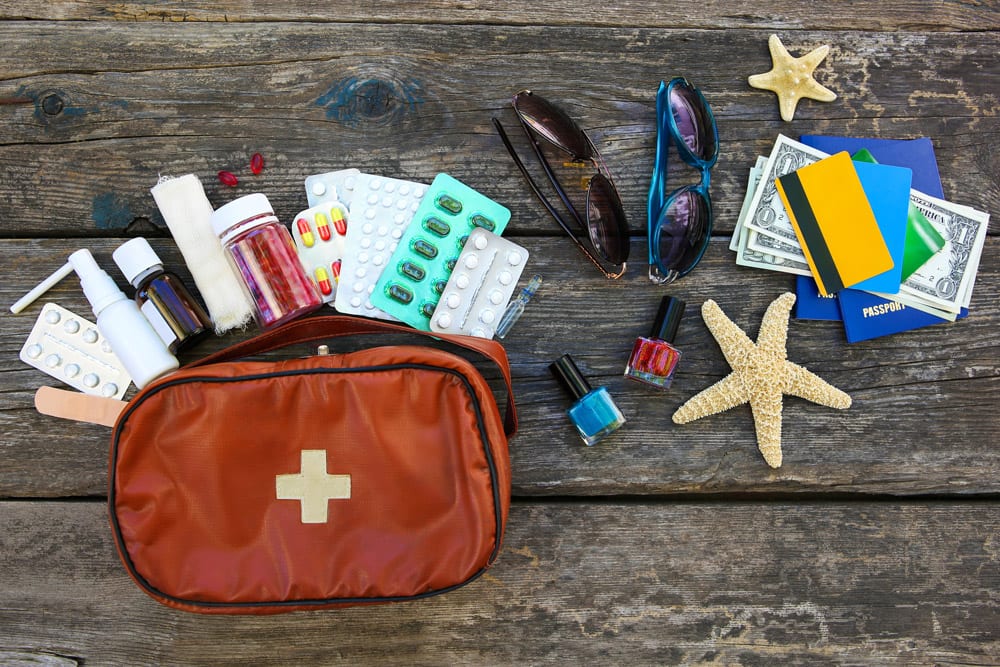
A tropical apothecary is a travel medical kit designed specifically for Thailand’s high heat and humidity. Your kit should include:
-
Gut Guardians: Probiotics to support digestion
-
Skin Shields: Mosquito and insect repellent
-
Heat Healers: Sun protection
-
Wound & Pain Care: Bandages, antiseptic, and painkillers
The Probiotic Shield: Prepping Your Gut Before the First Spicy Bite
When traveling in Thailand, you face three main challenges: intense sun, new bacterial strains, and spicy dishes.
-
Take probiotics 1–2 weeks before arrival and continue throughout your stay.
-
Probiotic drinks with Lactobacillus rhamnosus GG, yogurt, and milk can help prevent diarrhea and reduce stomach irritation.
-
Begin with low-spice dishes to gradually build tolerance.
Tip: Convenience stores like 7-Eleven are widely available and offer probiotic drinks and safe options.
The Rehydration Ritual: Using Oral Rehydration Salts (ORS)
Tummy issues like Bangkok Belly, traveler’s diarrhea, or loose bowels are common. ORS (Oral Rehydration Salts) is a fast-acting, scientifically proven solution. It is a balanced mixture of water, salts, and glucose, perfect for dehydration caused by heat, diarrhea, or vomiting.
-
Drink ORS slowly over minutes or hours.
-
Only use in cases of dehydration—do not mix with milk, soup, or sugary drinks.
-
ORS can be homemade: 1 liter water + 6 teaspoons sugar + ½ teaspoon salt.
Important: Seek medical attention if diarrhea lasts more than 2 days, contains blood or mucus, or is accompanied by fever, vomiting, fainting, or severe lethargy.
The Charcoal Contingency: Quick-Fix for "Bangkok Belly"
Activated charcoal can help with diarrhea and stomach cramps caused by street food. It works by absorbing toxins and harmful bacteria in your stomach.
-
Take charcoal at the first sign of stomach upset.
-
Available at pharmacies and 7-Eleven stores.
-
Tip: Don’t be alarmed by black stool—it’s normal. Leave a 2-hour gap before taking other medications.
Dietary Diplomacy: Navigating Allergies & Heat

Dietary diplomacy is your gentle (😊) way of communicating with local Thais about your health needs, particularly regarding high spice levels and potential food allergies.
The Peanut Perimeter: Communicating “No Nuts”
Peanuts and shellfish are present in many Thai street foods. To stay safe:
-
Carry a Thai Allergy Card showing your allergies.
-
Observe the vendor’s workspace for cross-contamination (e.g., same utensils used for multiple dishes).
Tip: Always be cautious, especially with street foods like Satay or Pad Thai.
The Scoville Scale: Managing Your Spice Tolerance
The Scoville Scale measures the heat of chili and peppers. Thai chefs have their own standards of spice, from mild to very hot.
-
Communicate your spice preference clearly in advance.
-
Gradually increase your tolerance for spicier foods.
Tip: If your dish turns out spicier than requested, don’t get upset. Ask politely for extra rice to reduce the heat.
The Vegan Anchor: Finding Safe Plant-Based Options
For vegans, plant-based diets are a must, avoiding all animal products. In Thailand:
-
Look for yellow or red “Jay” flags—these indicate vegetarian ingredients.
-
Always specify no fish sauce and request soy sauce instead.
Tip: Communicate clearly to avoid accidental animal products in your meals.
The Savvy Epicurean: Sustainable Habits
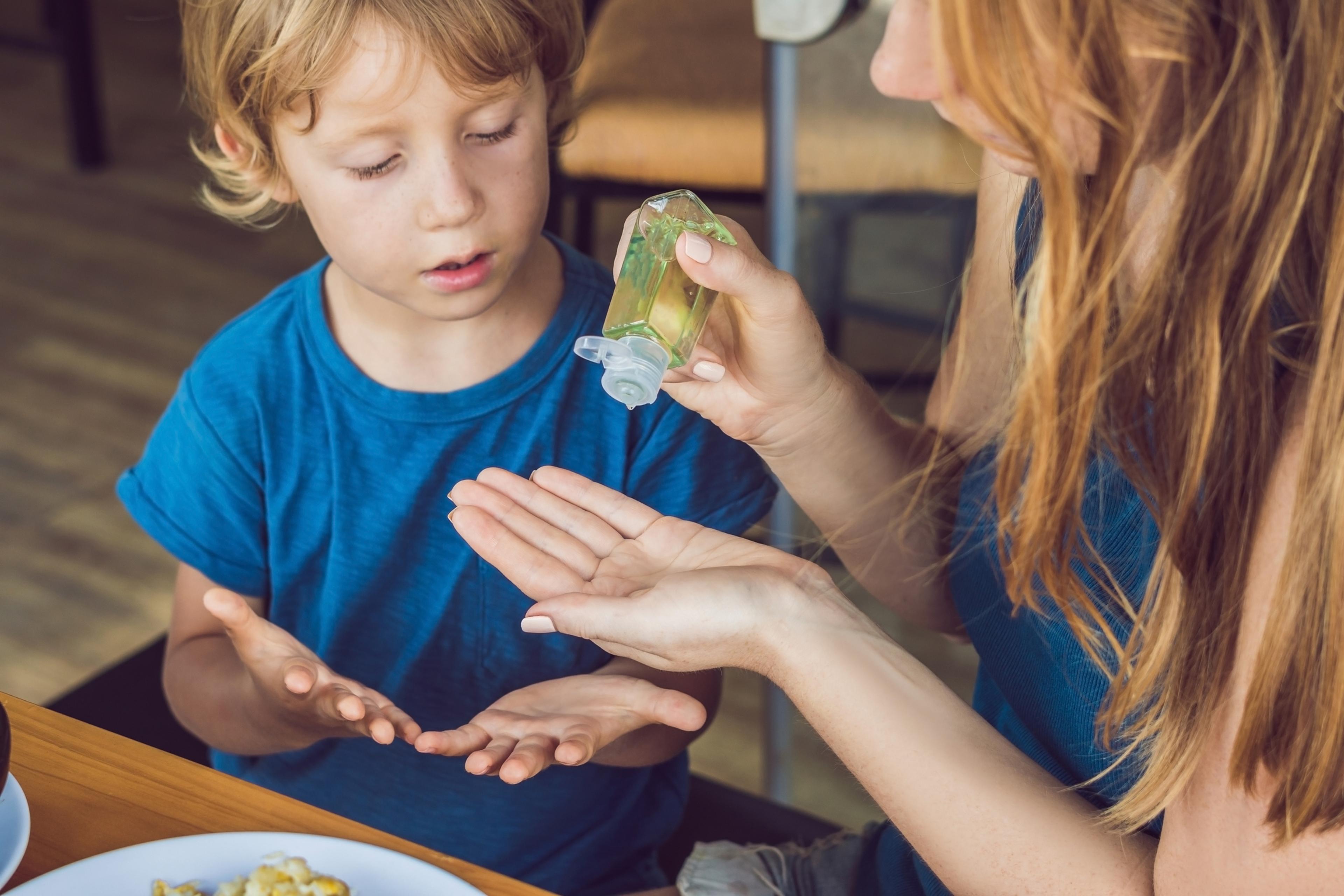
A Savvy Epicurean eats intelligently and maintains healthy habits, avoiding sickness or burnout while exploring Thai cuisine.
The Hand-Sanitizer Anthem: Non-Negotiable Hygiene
-
Always sanitize your hands before eating or touching communal condiment spoons.
-
Microscopic bacteria are everywhere, especially on your skin.
-
Make this a habit when eating street foods in Thailand.
Mindful Grazing: Small, Frequent Bites
-
Eat smaller meals several times a day instead of three large, heavy meals.
-
Benefits:
-
Easier digestion of unfamiliar foods
-
Avoids “food coma”
-
Lets you sample a wider variety of Thai dishes
-
The Recovery Grace: Listening to Your “Inner Compass”
-
Give your stomach a recovery period after heavy or spicy meals.
-
Light meals like clear noodle soup or a fresh coconut help reset your digestive system.
Tip: If you feel tired or dizzy, allow your stomach about 12 hours of rest before your next big meal.
FAQs – Staying Healthy While Eating Street Food in Thailand
1. Is street food in Thailand safe to eat?
Yes, most street food in Thailand is safe if you follow precautions like choosing busy stalls, eating freshly cooked dishes, and avoiding raw or undercooked ingredients. Use your “6th sense” to judge cleanliness and freshness.
2. How can I avoid food poisoning from Thai street food?
-
Eat wok-fired or piping hot dishes
-
Avoid raw shellfish and unpeeled produce
-
Sanitize hands before eating
-
Drink bottled water and use safe ice
3. What should I do if I get “Bangkok Belly”?
-
Drink ORS (Oral Rehydration Salts) for dehydration
-
Take activated charcoal to absorb toxins
-
Rest and eat light meals
-
Seek medical attention if symptoms persist or worsen
4. Can I eat vegan or vegetarian street food safely?
Yes! Look for stalls with yellow or red “Jay” flags, and always ask for no fish sauce. Communicate clearly about your dietary restrictions.
5. How can I manage spicy food?
-
Start with mild dishes and gradually increase spice tolerance
-
Use rice or coconut water to reduce heat if dishes are too spicy
-
Always communicate your spice preference politely
6. Are communal condiments safe?
Dry condiments like salt, sugar, and chili flakes are generally safe. Wet condiments (vinegar, sauces) may carry bacteria, especially if exposed to flies or left untouched for long periods. Use your judgment and a clean utensil.
7. How can I protect myself from allergies?
-
Carry a Thai Allergy Card
-
Observe vendor hygiene and utensil use
-
Ask clearly about ingredients that may trigger reactions, especially peanuts or shellfish
Conclusion
Eating street food in Thailand can be a safe, delicious, and unforgettable experience if you take a few smart precautions. Use your 6th sense to choose clean, busy stalls, stick to piping-hot and fully cooked dishes, and pay attention to hygiene, hydration, and your personal dietary needs.
By following the Street-Side Strategy, Hydration & Ice tips, Ingredient Awareness, Tropical Apothecary, Dietary Diplomacy, and Savvy Epicurean habits, you can enjoy Thailand’s culinary wonders without compromising your health.
Remember: small, mindful choices—like sanitizing your hands, eating in moderation, and listening to your body—can make all the difference. With these strategies, you can savor the vibrant flavors of Thailand safely, one street food stall at a time.

Zach Cameron & Zahid Karim
Travel Analyst | 11+ years experience

















Community Insights
Join the conversation
Login or create an account to share your thoughts and react to comments.