


Whenever you go to public or private hospitals in Thailand for emergency or general treatment without insurance, you will have to pay all the medical charges out of pocket before being discharged.

Thailand has world-class hospitals and medical care and is also known for medical tourism worldwide. Its public hospitals are very crowded and have long wait times (usually around 4 hours), but they are relatively cheaper in pricing. Whereas private hospitals offer hotel-type comfortable facilities, shorter wait times, and English-speaking staff.


Medical Bills

The medical bills/rates for tourists in Thailand are higher than for locals, but still cheaper than in Western countries. A substantial deposit is usually required upfront in private hospitals. This deposit typically ranges from 50,000 THB to 200,000+ THB, which is approximately $1,500 to $6,000+ USD. You may also have the option of a credit card hold or a wire transfer.

These medical bills (at foreign rates, which are higher than Thai local rates) are expected to be paid in full before discharge. Otherwise, hospitals may hold your personal belongings or documents if you are unable to pay.

Legally, all hospitals are bound to treat emergencies, but they will still charge you for the services.

Most importantly, consult your insurance company and get information about your medical coverage in Thailand before traveling.


Embassy Limits

Your embassy can help you contact your family back home or may provide the services of a lawyer, but it will not help in settling your medical bills.


Tip

Remember to include a medical emergency budget in your financial planning before coming to Thailand.


Frequently Asked Questions (FAQs)

1. Can a hospital refuse treatment if I don’t have insurance?
In emergency cases, hospitals are legally required to provide treatment. However, for non-emergency cases, hospitals may ask for a deposit before starting treatment.

2. Can I leave the hospital without paying?
No, hospitals generally require full payment before discharge. They may hold your belongings or documents until payment is completed.

3. Are public hospitals cheaper than private hospitals?
Yes, public hospitals are cheaper but often crowded with longer waiting times. Private hospitals are more expensive but offer faster service and better comfort.

4. Can I use a credit card to pay hospital bills?
Yes, most private hospitals accept credit cards and may also place a temporary hold for deposits.

5. Will my embassy pay my hospital bills?
No, embassies do not cover medical expenses. They can only assist with communication or legal guidance.


Final Verdict

Going to a hospital in Thailand without insurance can be expensive and stressful, especially in private hospitals where large upfront deposits are required. While emergency treatment is guaranteed by law, you are still fully responsible for all medical costs.

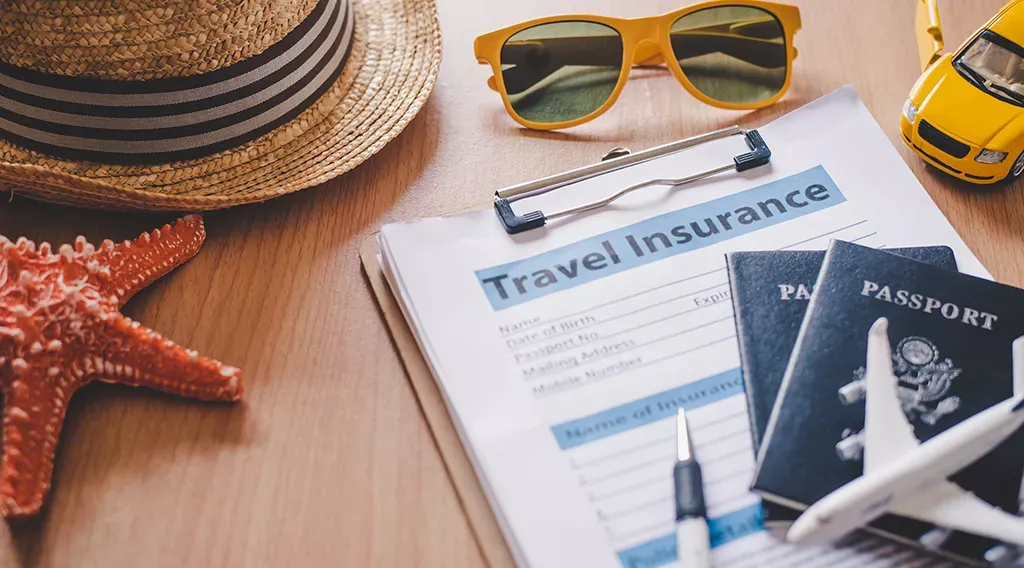
Travel insurance is highly recommended, and having an emergency medical budget can save you from serious financial trouble during your trip.


Share this story:
Zach Cameron & Zahid Karim
Published By

Zach Cameron & Zahid Karim

Travel Analyst | 11+ years experience