
Best Thai Festivals to Plan Your Trip Around with Tips
Thailand is one of the best tourist destinations in Asia. The yearly number of visitors exceeded 35 million last year, which is around 96,000 per day. Tourism earnings are one of the main factors in the economy of Thailand. The Government of Thailand supports tourism by allowing visa-free entry for many countries, along with various other benefits.
Thailand is recognized for its Monarchy, religion, and ancient traditions. Celebrating different festivals in unique ways is also an ancient tradition in which Thais honor Buddhist beliefs, history, family unity, and gratitude for water. These festivals are among the major attractions for international tourists who want to closely experience Thai culture and traditions.
If you have time, plan your visit to Thailand carefully. Your planning should include the best time to visit, choosing the best areas, planning activities, and coordinating festival dates with your travel schedule. Here, festivals include lion dancing, red lantern displays, temple ceremonies, vegetarian festivals, and spiritual celebrations.
Here we will discuss some of the best festivals of Thailand so that you can have a memorable experience.
Tip: Alcohol sales are banned on Makha Bucha (3rd March), Visakha Bucha (mid-May), and Asanha Bucha (10th July) Buddhist holidays.
Table of Contents
1. The Chronology of Celebration: Aligning with the Lunar Pulse
-
Celestial Blueprints: How the moon’s phases dictate the Kingdom’s festive calendar
-
The Seasonal Pivot: Navigating the transition from harvest stillness to monsoon revelry
-
The “Mood” Compass: Curating your journey between meditative silence and neon-soaked chaos
2. The Great Hydration: Songkran’s Aqueous New Year
-
The Liquid Benediction: From temple merit-making to the world’s grandest water war
-
Urban Deluge Zones: Experiencing the joyful madness of Khao San Road and Silom
-
The Lanna Whisper: Discovering the dignified traditions of the Northern valleys
3. The Luminous Ascent: Loy Krathong & Yi Peng
-
Buoyant Gratitude: Launching floral krathongs as offerings to the Water Goddess
-
The Constellation of Silk: The magical lantern releases in Chiang Mai
-
Twilight Aesthetics: The artistry of Northern Thai light festivals
4. Regional Curiosities: The Masked & The Macabre
-
The Spectral Parade (Phi Ta Khon)
-
The Pyrotechnic Prayer (Bun Bang Fai Rocket Festival)
-
The Primate Banquet (Monkey Buffet Festival)
5. The Devotional Extreme: Rituals of Faith
-
The Phuket Vegetarian Festival
-
Makha Bucha candlelight processions
-
Chiang Mai Flower Festival
6. The Festive Manifesto: Practical Grace
-
The Apparel of Joy
-
The Strategic Sojourn
-
Festival Etiquette
The Chronology of Celebration: Aligning with the Lunar Pulse
Most festivals are aligned with the lunar cycle and the different phases of the moon. Some festival dates vary because of the differences between the Buddhist calendar, Thai lunar calendar, and Gregorian calendar. That is why some festival dates are fixed while others change every year.
Celestial Blueprints: How the Moon’s Phases Dictate the Kingdom’s Festive Calendar
Festival dates are linked to the Thai lunar calendar (Buddhist calendar), while official government activities follow the Gregorian calendar. Most Thai festivals happen on the full moon night, which is believed to be a time of heightened spiritual significance.
Tip: The Thai lunar calendar sometimes includes an extra 8th month in certain years to align traditional festivals with seasonal cycles.
The Seasonal Pivot: Navigating the Transition from Harvest Stillness to Monsoon Revelry
Before the start of the green season, there is the rainy or monsoon season between April and June. This period is considered a time when life shifts from quiet harvest periods to vibrant outdoor celebrations and activities.
The “Mood” Compass: Curating Your Journey Between Meditative Silence and Neon-Soaked Chaos
It is often said that Thailand has something for everybody. Your mood can decide what type of experience you want.
If you want to escape stress, noise, or distractions, you can visit northern mountains, jungle sanctuaries, quiet islands, and peaceful beaches. On the other hand, if you enjoy vibrant nightlife and energy, the major cities offer exciting activities, water games, and lively celebrations, sometimes described as neon-soaked chaos.
The Great Hydration: Songkran’s Aqueous New Year
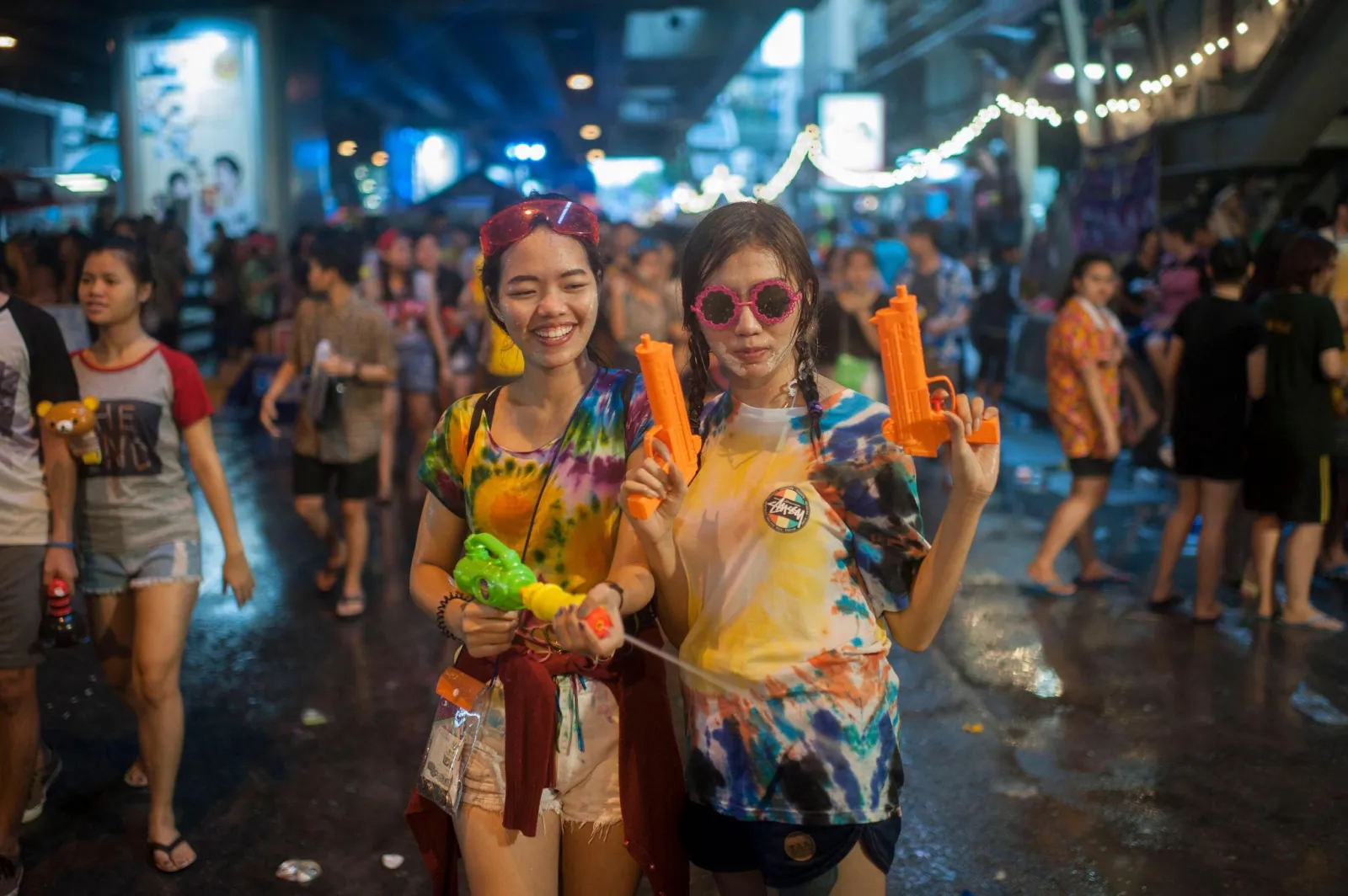
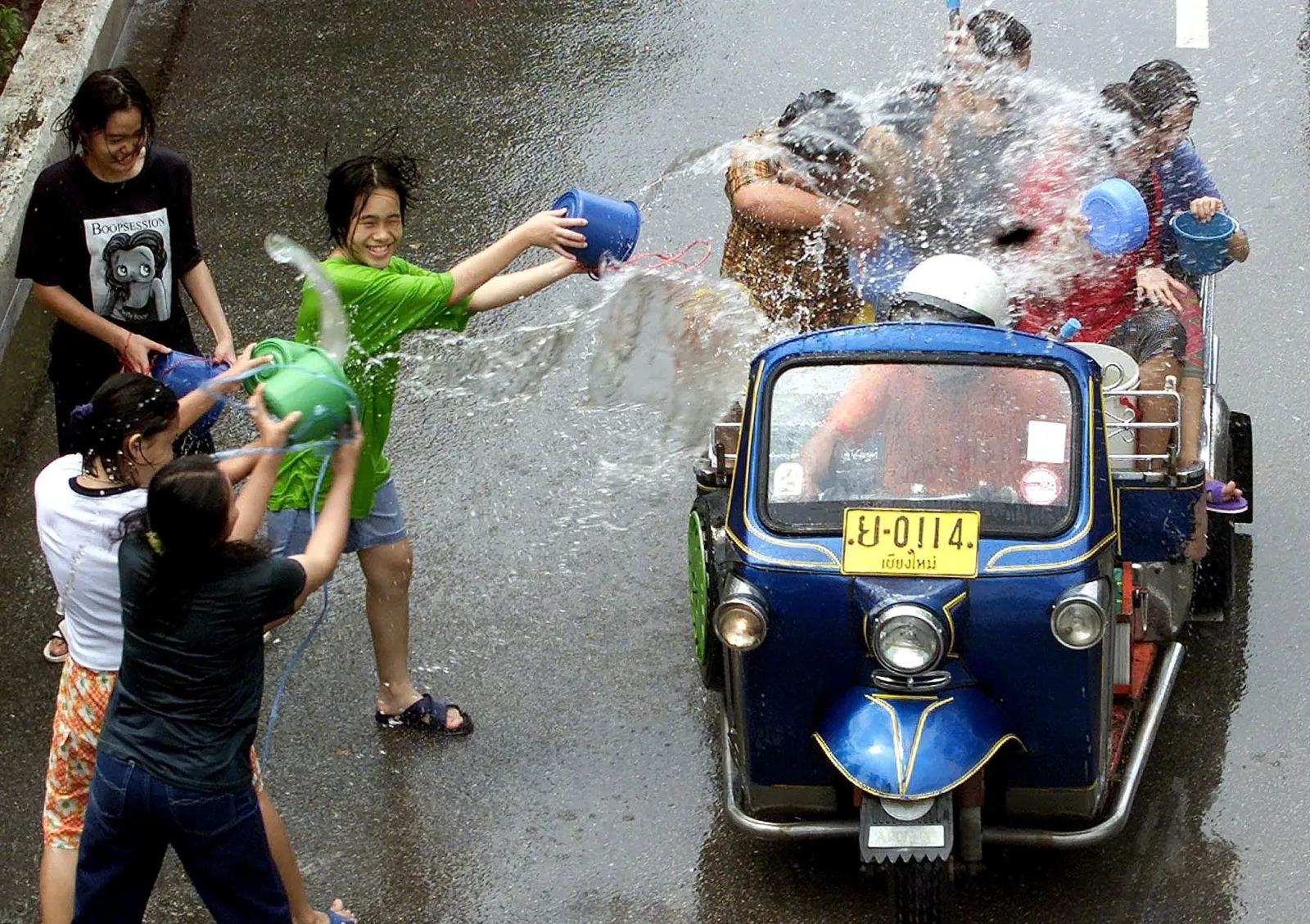
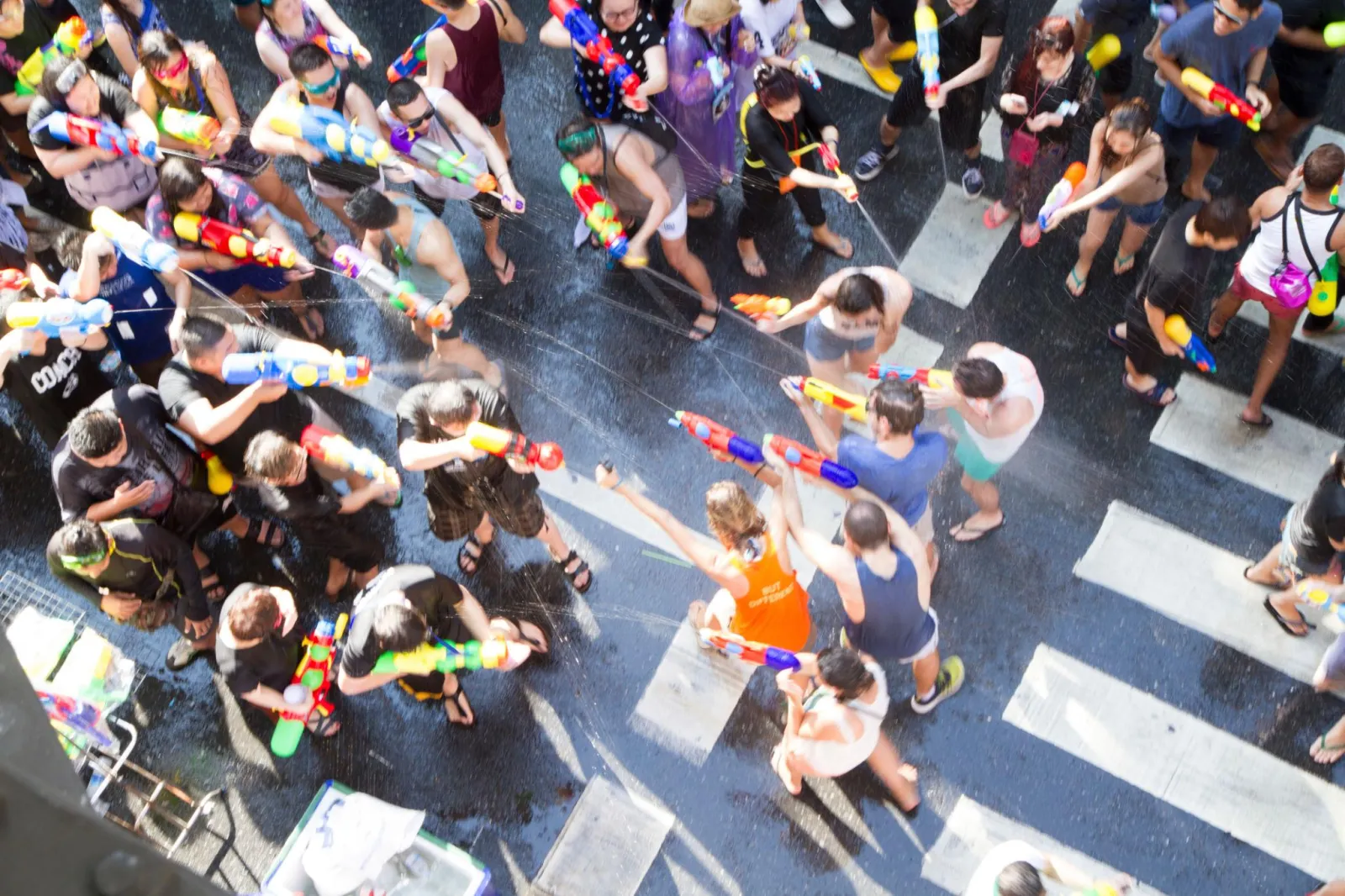
Songkran, celebrated from 13th to 15th April (2026), is one of Thailand’s biggest festivals. Water fights take place everywhere using water guns, buckets, and hoses, especially during the hottest time of the year. Both locals and tourists participate enthusiastically.
This festival is celebrated:
-
To welcome the New Year with good fortune
-
To wash away misfortunes
-
For family reunions
-
To pay respect to elders
The festival also includes cleaning homes, pouring fragrant sacred water on Buddha statues in temples, and gently pouring water on the hands of elders for blessings.
The Liquid Benediction: From Temple Ritual to Global Water Festival
Originally, Songkran involved visiting temples, bringing food to monks, and pouring water on Buddha statues. Because April is the hottest month in Thailand, tourism authorities later promoted water splashing among tourists. Over time, it evolved into the world’s biggest water fight.
The water symbolizes cleansing bad luck and welcoming a fresh start.
Urban Deluge Zones: Khao San Road and Silom
Some areas become extremely crowded during Songkran celebrations, especially Khao San Road and Silom in Bangkok. Visitors should take precautions and stay aware of crowd conditions and safety measures.
The Lanna Whisper: Northern Traditions
In northern Thailand, especially Chiang Mai, Songkran retains many traditional elements of the Lanna culture. Temples, wooden architecture, and natural surroundings reflect harmony with nature. Jasmine flowers are often used in rituals to symbolize purity, love, and respect, representing unconditional motherly love.
The Luminous Ascent: Loy Krathong & Yi Peng
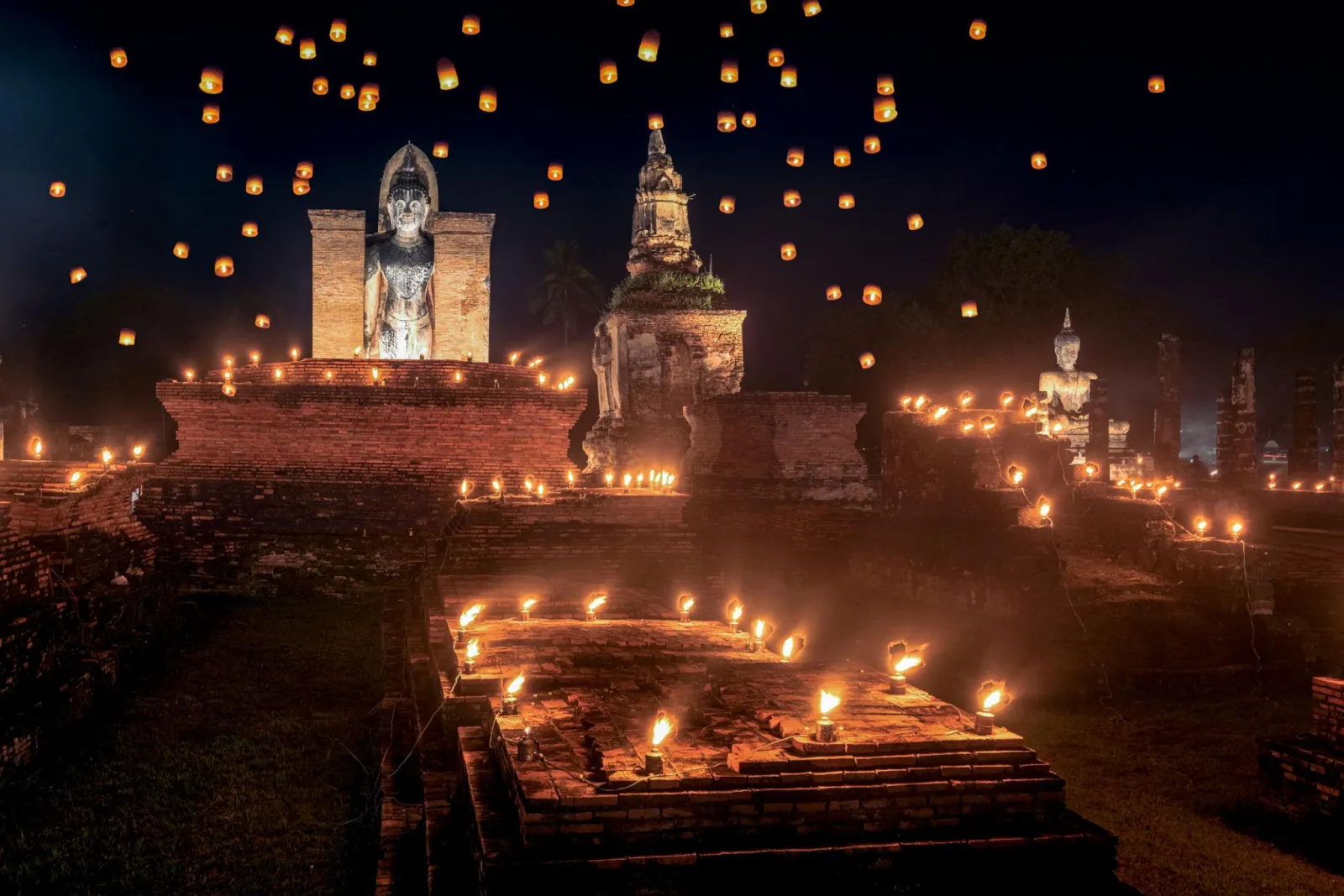
These are two of the most magical light festivals in Thailand: Loy Krathong and Yi Peng. They take place in November during the full moon of the 12th lunar month.
-
Loy Krathong involves floating lotus-shaped baskets on water.
-
Yi Peng involves releasing lanterns into the night sky.
Chiang Mai is the main hub of these celebrations, and many events are officially organized with ticketed entry.
These festivals symbolize hope and wishes for a bright future.
Buoyant Gratitude: Floating Krathongs
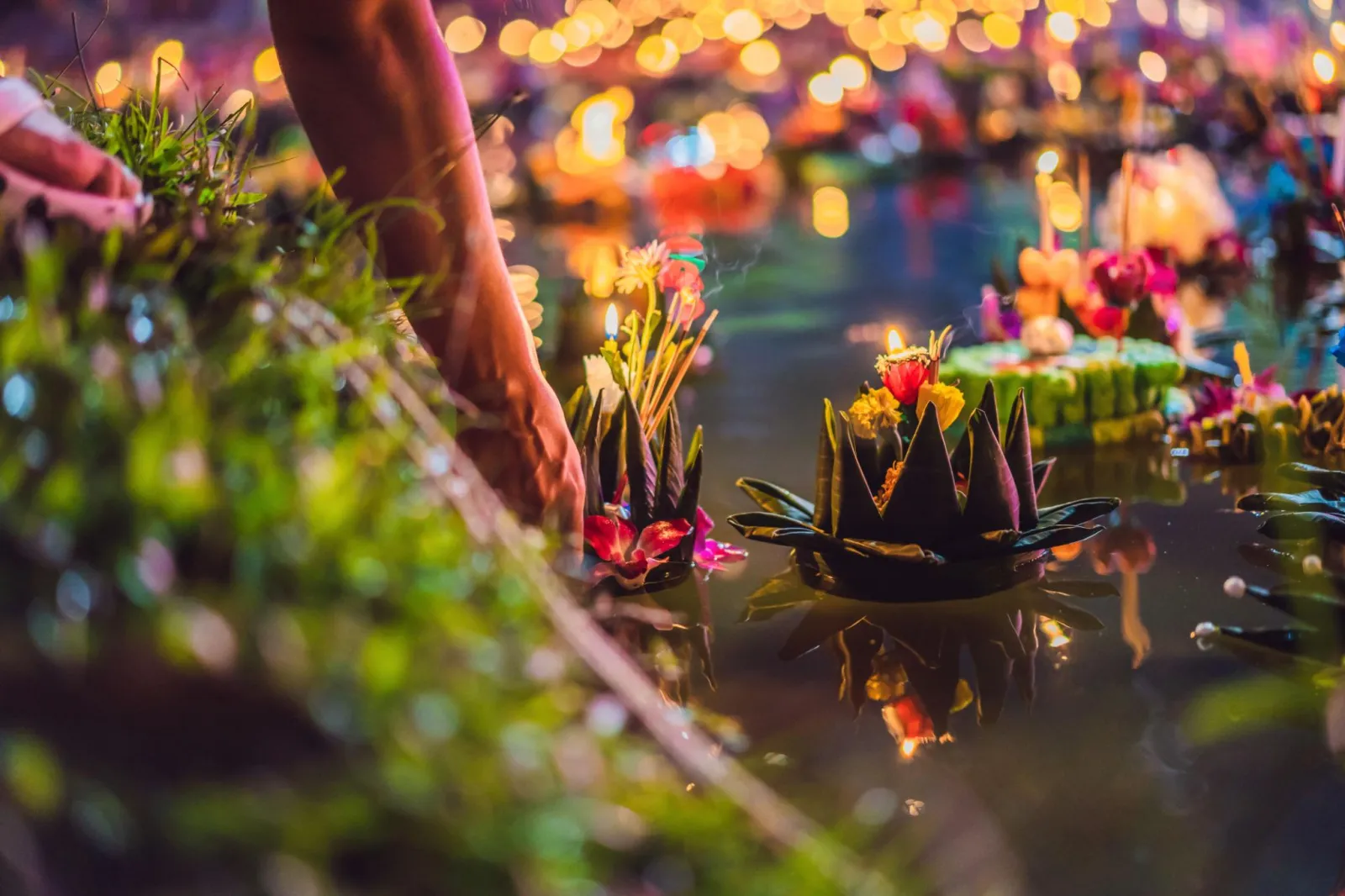
This tradition dates back over 700 years. Decorative krathongs are made from banana leaves, flowers, and candles, and they are floated on rivers and lakes as offerings to the Water Goddess, Phra Mae Khongkha. The festival is celebrated nationwide.
The Constellation of Silk: Lanterns in the Sky
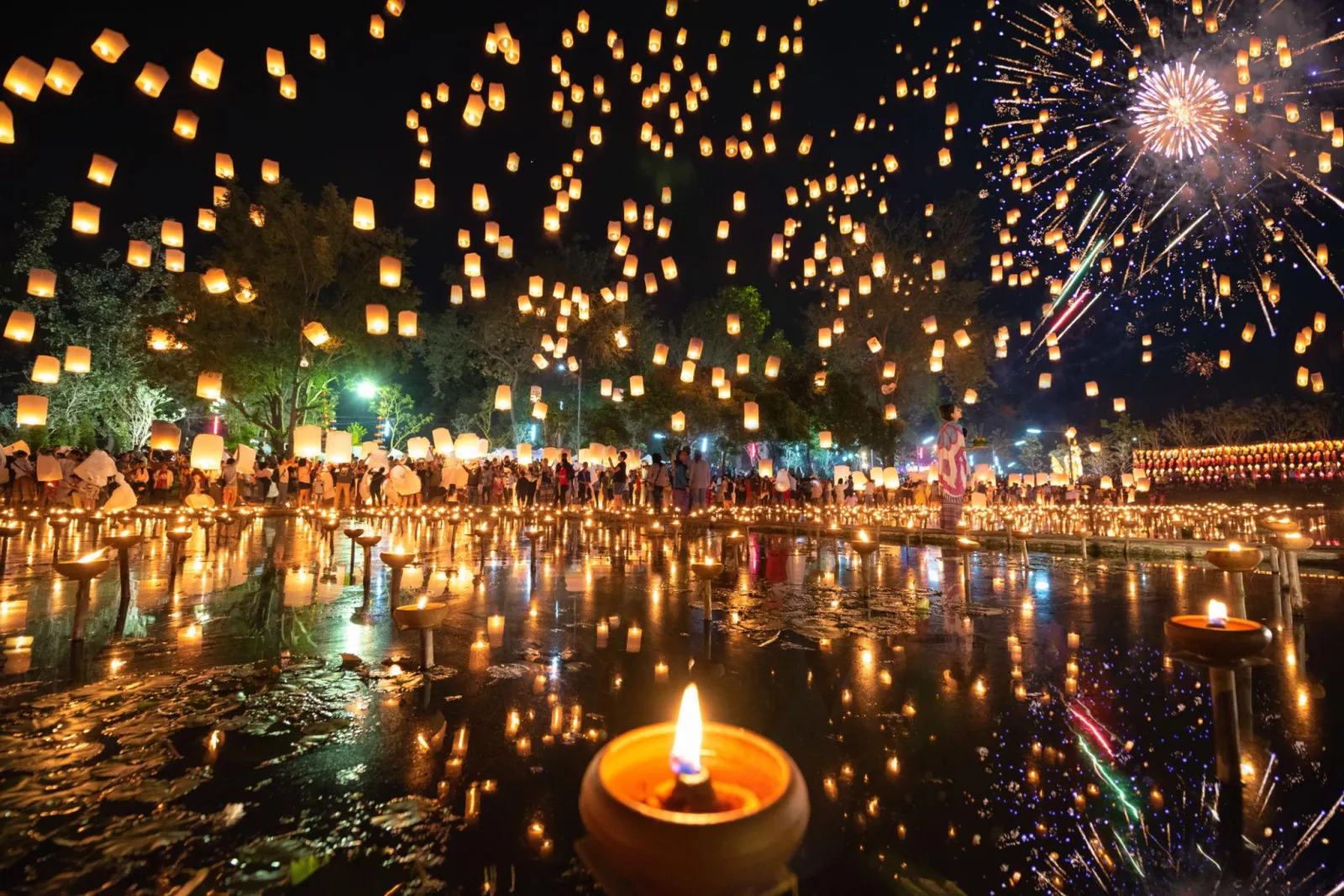
During the Yi Peng Lantern Festival, thousands of paper lanterns made of rice paper and bamboo are released into the sky. When glowing together at night, they resemble a constellation of stars. Temples and streets are beautifully decorated, and celebrations usually last 2 to 3 days.
Twilight Aesthetics: Northern Thai Light Artistry
Both Yi Peng and Loy Krathong originate from the ancient Lanna culture. Lanterns often carry written wishes or prayers, and celebrations include Lanna music, traditional dances, and handicraft displays. These moments are deeply symbolic in Thai culture.
Regional Curiosities: The Masked & The Macabre
Thai culture blends monarchy, Buddhism, folklore, and traditional performing arts. Many dances feature masks representing deities, demons, and monkeys, reflecting spiritual symbolism.
The Spectral Parade (Phi Ta Khon)
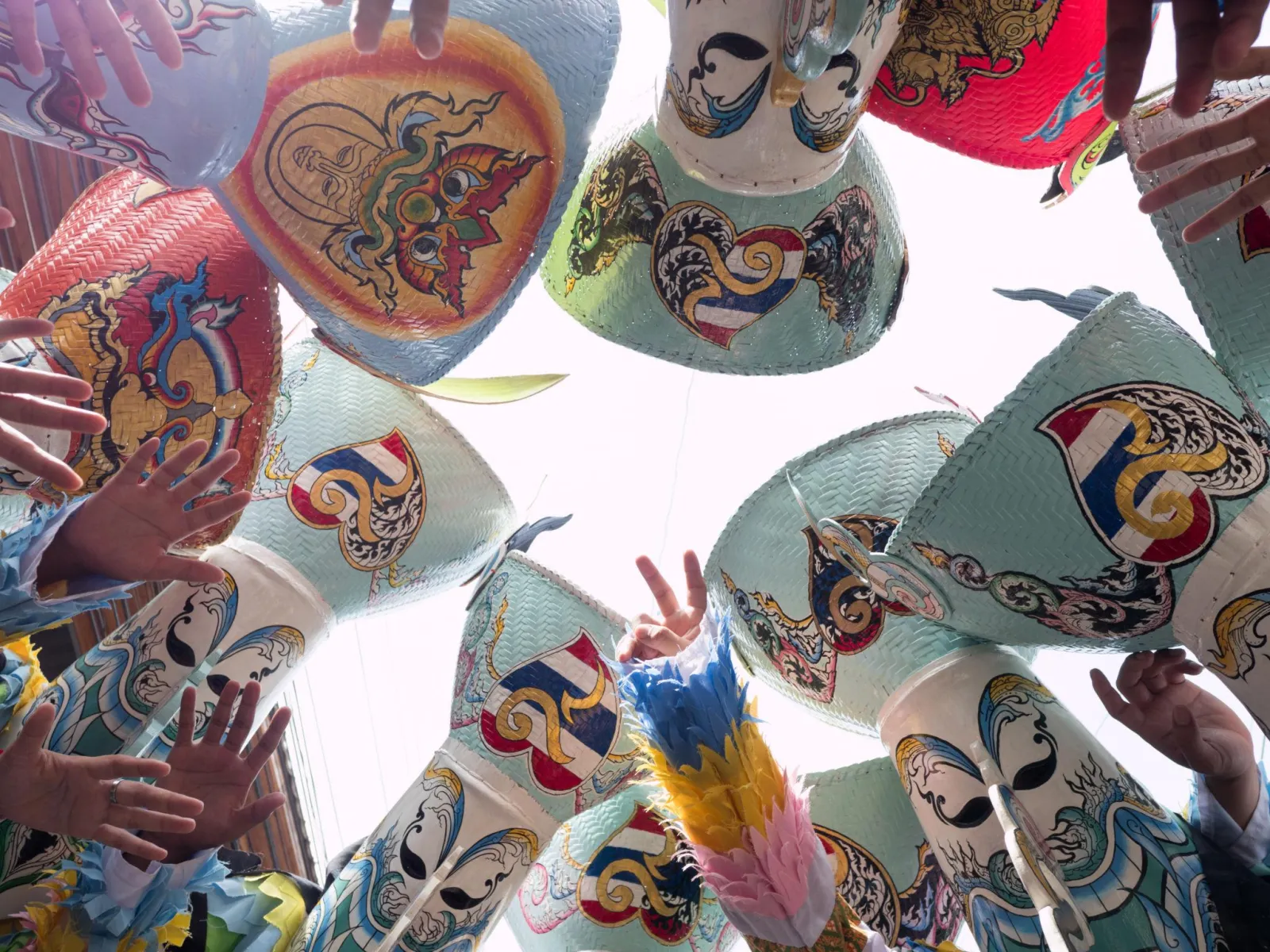
The Phi Ta Khon Festival, also known as the Ghost Festival, lasts three days in late June or early July. It is celebrated in Dan Sai, Loei Province. Participants wear hand-painted ghost masks and colorful costumes while dancing in parades.
The Pyrotechnic Prayer (Bun Bang Fai)
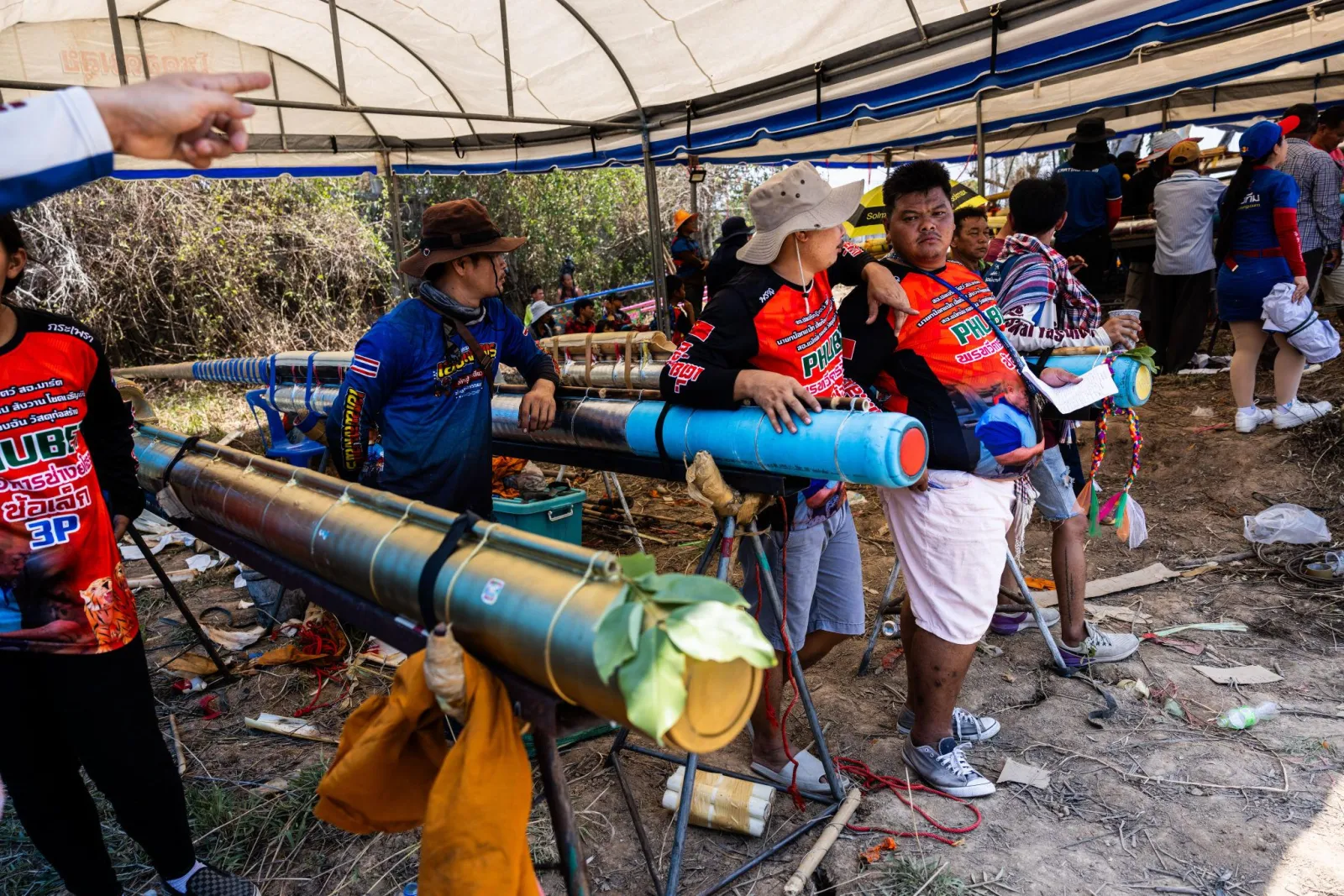
The Bun Bang Fai Rocket Festival involves launching huge homemade bamboo rockets to encourage rainfall for the farming season. It is a traditional event held in Yasothon Province.
For many tourists, participating in this festival is a once-in-a-lifetime experience.
The Primate Banquet (Monkey Buffet Festival)
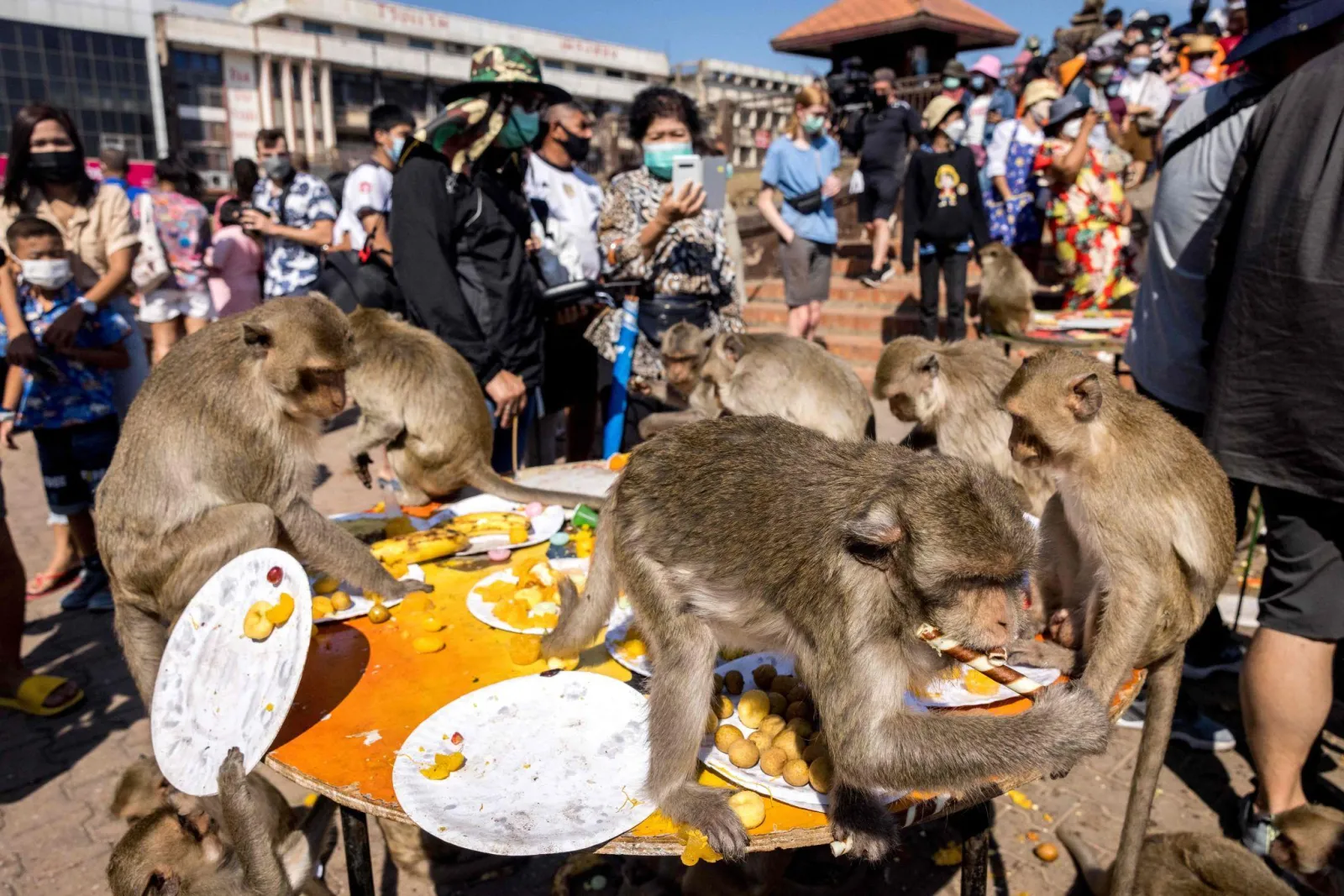
The Monkey Buffet Festival is held for the monkeys living around the ancient ruins of Phra Prang Sam Yot in Lopburi. Around 2,000 to 3,000 monkeys are served fruits, vegetables, and sweets.
The feeding takes place in four sessions during the day:
10 AM, 12 PM, 2 PM, and 4 PM.
Tip:
-
Secure your belongings
-
Maintain a safe distance
-
Avoid carrying plastic bags
The Devotional Extreme: Rituals of Faith
Some festivals involve extreme acts of devotion where participants believe they are spiritually possessed, allowing them to endure pain without feeling it. These rituals aim to purify the body and mind.
The Phuket Vegetarian Festival
This festival, also known as the Nine Emperor Gods Festival, lasts 9 days (often in September or October). Participants follow a strict vegan diet.
Devotees called Mah Song march barefoot with pierced cheeks and other body parts, believing they are possessed by the Nine Emperor Gods. The rituals are meant to bring good luck and ward off evil spirits.
The festival ends with massive firecracker displays at Saphan Hin Park.
Visitors are expected to:
-
Wear white clothing
-
Abstain from meat, alcohol, and sexual activities
Golden Circumambulations: Makha Bucha
The Wein Tian ceremony involves walking three times clockwise around a temple hall while holding candles. This peaceful ritual usually takes place at sunset and is observed across Thailand. It is also an official national holiday.
Floral Tapestries: Chiang Mai Flower Festival
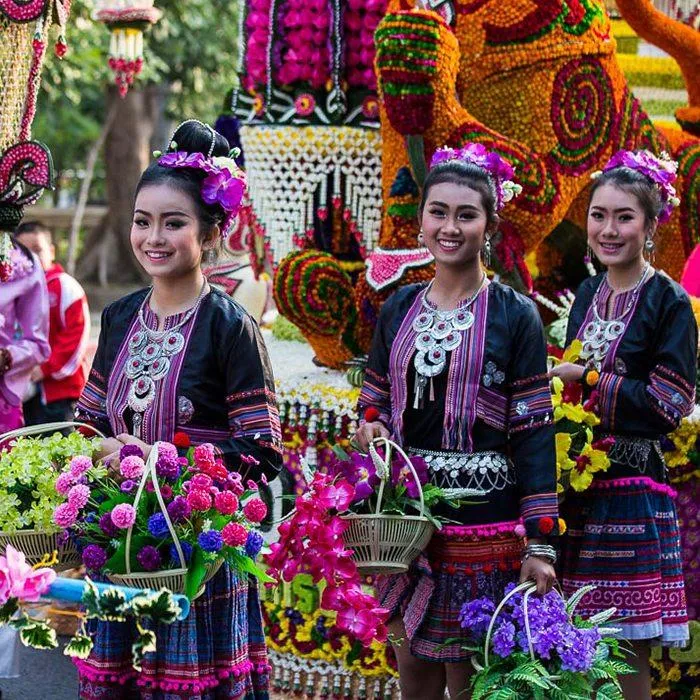
This three-day festival, held during the first weekend of February, features colorful floral floats decorated with mythological creatures and cultural symbols. Traditional dancers in Lanna attire accompany the parade.
The Miss Flower Festival Beauty Pageant is also part of the celebrations, attracting large crowds of tourists.
The Festive Manifesto: Practical Grace
Thailand represents a unique cultural intersection where traditional Buddhist customs coexist with modern celebrations such as Christmas and New Year.
The Apparel of Joy
The Songkran Hawaiian shirt is a colorful floral shirt worn during the water festival across Thailand. These shirts symbolize the festive energy of Songkran.
At the same time, visitors should maintain respect for sacred places and Thai cultural values, including Buddhism, the monarchy, and social hierarchy.
The Strategic Sojourn
The best time to visit Thailand is generally November to February. Because festivals attract large crowds, advance hotel bookings are recommended.
Choosing riverside accommodations can enhance the experience, and some hotels offer airport shuttle services during peak travel times.
Etiquette in the Fray
It is important to remain respectful and calm in crowded situations such as markets, festivals, and traffic areas.
In Thailand, respect for Buddhism, the monarchy, and cultural traditions is extremely important. A friendly smile often helps avoid unwanted situations.
Some important etiquette tips include:
-
Do not touch someone’s head, even a child’s
-
Do not point your feet toward a Buddha image
-
Show respect to monks and slightly bow your head
-
Dress modestly rather than wearing tight clothing
-
Remove shoes when entering temples or Thai homes
-
Avoid excessive public affection
Frequently Asked Questions (FAQs)
What is the best time to visit Thailand for festivals?
The best time to visit Thailand for festivals is generally between November and February when the weather is pleasant and many cultural events take place. However, some of the most famous festivals like Songkran (April) and Loy Krathong (November) occur at different times of the year, so travelers may plan their trip according to the festival they want to experience.
What is the most famous festival in Thailand?
The Songkran Water Festival is considered the most famous festival in Thailand. It is celebrated every year from 13th to 15th April and marks the Thai New Year. During this festival, people splash water on each other in the streets, symbolizing the washing away of bad luck and welcoming a fresh start.
Where is the best place to celebrate Loy Krathong and Yi Peng?
The best place to celebrate Loy Krathong and Yi Peng is Chiang Mai in Northern Thailand. The city hosts large lantern release ceremonies, cultural performances, and beautifully decorated temples. Thousands of lanterns floating in the sky create a magical atmosphere.
Are Thai festivals safe for tourists?
Yes, Thai festivals are generally very safe and welcoming for tourists. However, visitors should follow local safety advice, especially during crowded events like Songkran water fights or large street celebrations. Keeping personal belongings secure and respecting local customs helps ensure a safe experience.
Do tourists need to follow any dress code during festivals?
Yes, tourists are encouraged to dress modestly, especially when visiting temples or religious ceremonies. Light and comfortable clothing is suitable for most festivals, but revealing clothing should be avoided in sacred places.
Can tourists participate in Thai festivals?
Yes, tourists are welcome to participate in most Thai festivals. Events like Songkran water fights, Loy Krathong lantern releases, and local parades are open to visitors. Participation is encouraged as long as tourists show respect for Thai traditions and local etiquette.
What should visitors avoid during Thai religious festivals?
Visitors should avoid disrespectful behavior in temples, touching monks, pointing feet at Buddha images, or wearing inappropriate clothing. Alcohol sales are also banned on certain Buddhist holidays, so travelers should plan accordingly.
Are Thai festival dates the same every year?
Some festivals like Songkran have fixed dates, while others such as Loy Krathong, Yi Peng, and Makha Bucha follow the Thai lunar calendar. Because of this, the exact dates for some festivals change every year.
Conclusion
Thailand is a country where traditions, spirituality, and joyful celebrations come together throughout the year. From the refreshing water battles of Songkran to the magical lantern-filled skies of Yi Peng and Loy Krathong, each festival reflects the deep cultural roots and beliefs of Thai society.
These festivals are not only religious or traditional ceremonies but also unique opportunities for travelers to experience authentic Thai culture. Whether it is colorful parades, spiritual rituals, local food, or community gatherings, every festival offers something memorable for visitors.
Planning your trip around Thailand’s festivals allows you to see the country at its most vibrant and meaningful moments. By respecting local customs, participating responsibly, and preparing in advance, travelers can enjoy these celebrations while gaining a deeper appreciation of Thai culture and traditions.
A visit to Thailand during its festival season is more than just a holiday — it is an immersive cultural journey filled with color, light, spirituality, and unforgettable experiences.
Zach Cameron & Zahid Karim
Travel Analyst | 11+ years experience











Community Insights
Join the conversation
Login or create an account to share your thoughts and react to comments.