
Dos & Don’ts with Cultural Tips
Anywhere in the world, the social norms or social conduct of an area—and the expectations of the people living there regarding how to behave—are called the etiquette or manners of that place.

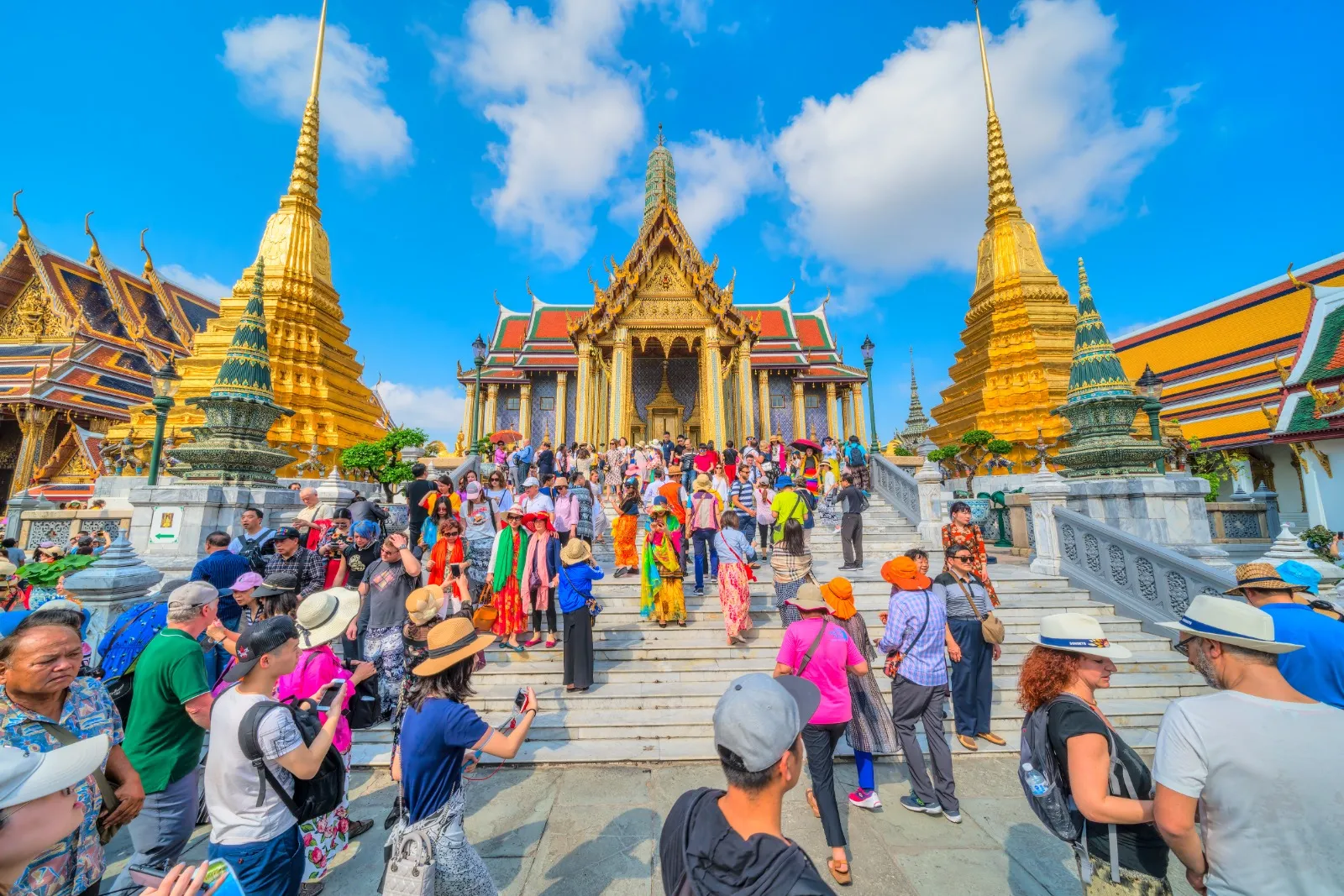
In Thailand, society is highly influenced by Buddhism, hierarchy, and the monarchy. Local people expect visitors to respect their core cultural and religious values. This means every tourist must respect their religion and related elements (such as Buddha statues and temples), individuals of higher social status and elders, and the royal family.
Most Thai people are quite sensitive when dealing with or discussing these topics, as there can be serious consequences, including imprisonment by law.
Table of Contents
1. The Spirit of “Thainess”: Core Values
-
The Power of the Smile: Deciphering the “Land of Smiles” beyond the surface.
-
Mai Pen Rai Philosophy: Embracing the “no worries” attitude toward travel mishaps.
-
Saving Face: Understanding the art of avoiding public confrontation.
2. The Sacred Hierarchy: Respecting the Pillars
-
Royal Reverence: The non-negotiable rules for honoring the monarchy.
-
Monastic Manners: How to interact with monks and visit temples with dignity.
-
The Vertical Rule: Why the head is sacred and the feet are considered “lowly.”
3. The Social Grace: Physical Etiquette
-
The Wai Unpacked: A beginner’s guide to the traditional prayer-like greeting.
-
Public Decorum: The dos and don’ts of physical contact and romantic displays.
-
Dress Code Diplomacy: Balancing tropical heat with modest expectations.
4. Culinary Rituals: Navigating the Thai Table
-
The Spoon & Fork Dance: Why the knife is rarely seen at a Thai meal.
-
Communal Feasting: The etiquette of sharing dishes and ordering for the group.
-
Street Food Savvy: Polite ways to order, pay, and eat like a local.
5. The Urban Compass: Daily Interaction Tips
-
Bargaining with Kindness: The soft art of negotiating prices at local markets.
-
The Tipping Puzzle: Navigating gratuities in taxis, massage parlors, and cafés.
-
Digital Decency: Etiquette for photography at sacred sites and rural villages.
6. Practical Safety & Cultural Nuance
-
Whispered Taboos: Topics to avoid in casual conversation.
-
The “Temple Is Closed” Myth: Spotting cultural scams with confidence.
The Spirit of “Thainess”: Core Values

“Thainess” in Thai is “Khwan Pen Thai,” which refers to Thai culture, values, traditions, and their way of life. It is built upon three pillars:
-
The Nation: Almost all Thai people are very patriotic, proud, and united under one flag.
-
The Religion: More than 93% of the population is Buddhist, so religious norms and culture are deeply engraved in the hearts of Thai people.
-
The Monarchy: Thai people love the King of Thailand and consider him a symbol of national unity, as well as a spiritual protector.
Thainess is essentially the identity and character of Thai people. One of their norms is paying respect and gratitude to everyone through “The Wai,” which is commonly seen and practiced throughout Thailand.
The Power of the Smile: Deciphering the “Land of Smiles” Beyond the Surface
Two of the best nonverbal communication methods in Thailand are “Yim” (which means “smile”) and “The Wai.” These are cultural norms that can be observed commonly throughout the country. One could say that Thai people really do smile a lot.
However, not all smiles in Thailand are simply called Yim. A smile can mean maintaining social harmony, offering an apology, expressing kindness, or showing respect. It is deeply rooted in Thai gestures and daily interactions.
Thailand is known as the “Land of Smiles” because of the friendly nature of its people and their excellent hospitality, often expressed with a smile by almost every local.
Mai Pen Rai Philosophy: Embracing the “No Worries” Attitude Toward Travel Mishaps
Mai Pen Rai is a fundamental Thai philosophy and is often used to de-escalate tension with an easy-going approach. It generally means:
-
It’s no problem
-
No worries
-
Never mind
-
It’s OK
It is used to avoid or minimize conflict and relieve stress, particularly during or after an unforeseen or unplanned event.
Common travel mishaps include spilled drinks, small mistakes, delays in transportation, something breaking, losing money or an item, not having change to pay the driver (or the driver not having change for you), or accidentally stepping on someone.
Tip: Use Mai Pen Rai to save face. When used with a smiling face, most situations are forgiven. Thai people are accustomed to letting go of things that are out of their control.
Saving Face: Understanding the Art of Avoiding Public Confrontation
Saving face refers to the practice of avoiding public embarrassment, protecting one’s public image, maintaining dignity and reputation, and preserving social harmony without causing inconvenience to others.
Tip: Remember to smile in all kinds of situations to maintain a positive environment and show respect. Thai people often prefer to ignore minor issues rather than create conflict.
The Sacred Hierarchy: Respecting the Pillars

Every area in the world has a specific social and spiritual structure, and the same applies to Thailand. Respect for elders, monks, Buddha statues, temples, and the monarchy (the royal family of Thailand) forms an important part of this structure.
This practice of respect has continued since ancient times, and Thai society is deeply ingrained and organized along these lines. Even the colors of the Thai flag represent the nation, religion, and monarchy as red, white, and blue, respectively.
Royal Reverence: The Non-Negotiable Rules for Honoring the Monarchy
Respect for the Thai royal family has existed throughout the country for more than 700 years. The King is considered an avatar and an enlightened being (Bodhisattva), and also a symbol of national unity and stability.
Thailand is a constitutional monarchy with a democratic form of government. Therefore, insulting the King, making threats, or making political jokes about the royal family—whether in public or online—is strictly prohibited and illegal in Thailand. Such actions can result in serious punishment, including imprisonment from 3 to 15 years.
Images of the King and the royal family can be found all over Thailand, including on currency notes and coins. These images should always be treated with respect.
The national anthem is played twice daily (at 8 AM and 6 PM), and everyone present is expected to stand and stop all activities during that time.
Tip: Never make negative remarks about the Thai royal family, and do not attempt to touch the royals even if you get the opportunity.
Monastic Manners: How to Interact with Monks and Visit Temples with Dignity

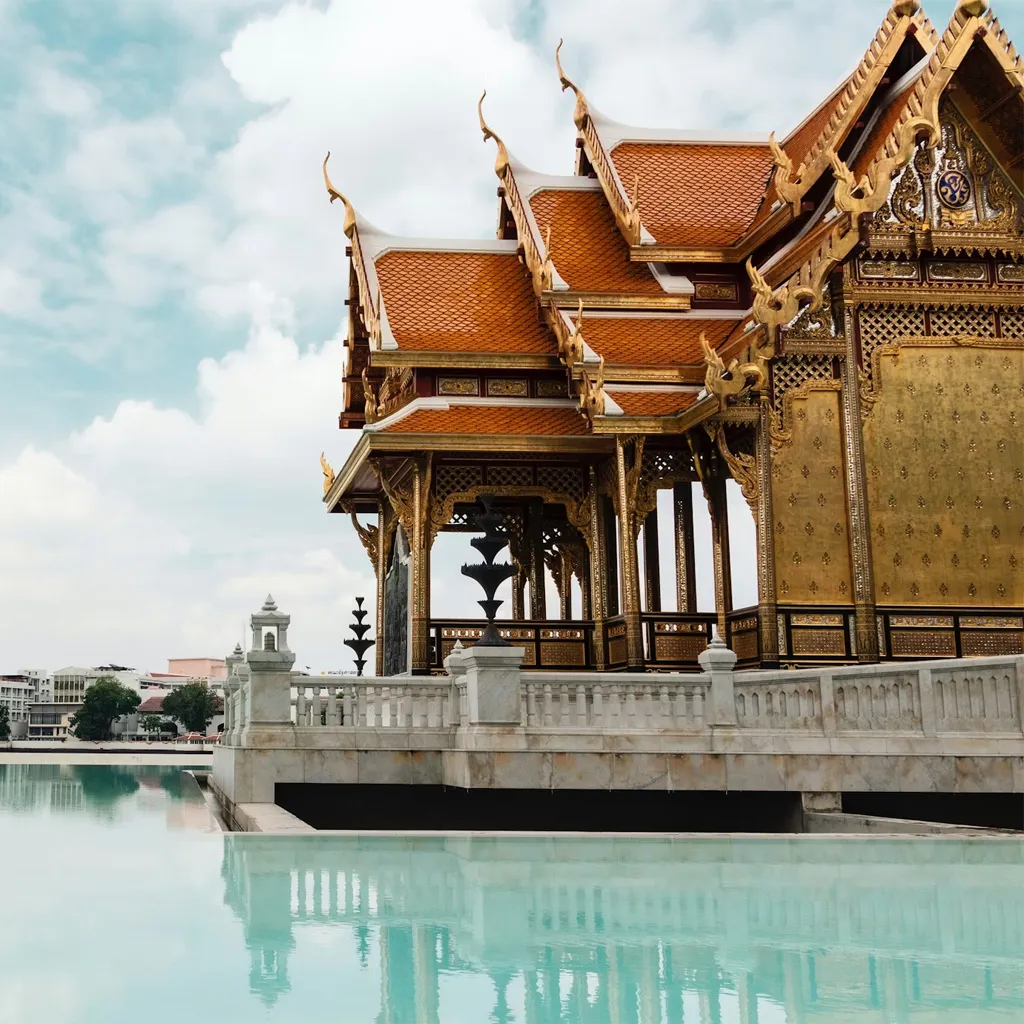
It is very important to understand monastic manners and etiquette in Thailand. This includes proper interaction with monks and nuns, as well as following the established guidelines when visiting temples. These practices are sacred and religiously significant for Thai people.
Temples are places of worship and are highly respected. Visitors are expected to follow a specific dress code. Both men and women must cover their shoulders and knees. Tight clothing should be avoided, and long trousers or long skirts are recommended.
Shoes and hats should be removed before entering temple buildings. Wearing socks inside the temple is acceptable.
Do not step—either intentionally or unintentionally—on the raised wooden threshold at the entrance of a temple, as it is believed to house a guardian spirit.
When sitting in a temple, do not point the soles of your feet toward a Buddha statue. Smoking, alcohol, and vaping are strictly prohibited in temple areas.
Monks are highly respected figures in Thailand. Women should not touch monks or their robes, as this is strictly prohibited. If passing a seated monk, try to lower your head below the monk’s head as a sign of respect. Some temples also offer “monk chats,” where visitors can talk with monks to learn about Buddhism.
Tip: Offerings can be made in the donation box or on a cloth provided. Avoid taking selfies or turning your back toward Buddha statues.
The Vertical Rule: Why the Head Is Sacred and the Feet Are Considered “Lowly”
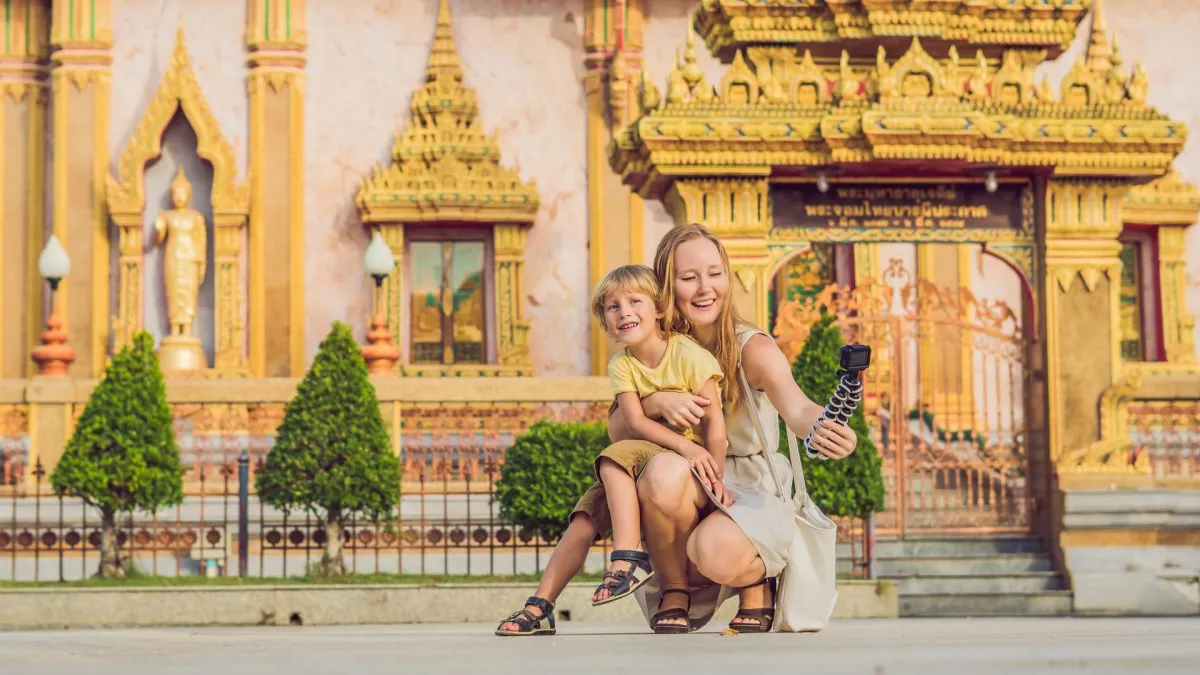
In traditional Thai culture, the “Vertical Rule” is deeply rooted in society. The head is considered the highest and most sacred part of the human body, while the feet are regarded as the lowest and the dirtiest.
Touching someone’s head—even a child’s—is considered disrespectful and offensive. Passing objects over someone’s head is also considered impolite.
Similarly, pointing your feet toward a Buddha statue or toward another person is considered disrespectful. When sitting in temples, ensure that the soles of your feet are not directed toward the Buddha statue or anyone else. Placing your feet on tables or chairs is also considered impolite.
Shoes should always be removed when entering temples and many local Thai homes.
Tip: The younger generation in Thailand may be more relaxed about these customs, but in temples and near monks these rules are still strictly observed.
The Social Grace: Physical Etiquette

Every society has certain practices that reflect its identity and values. In Thailand, social grace is built on respect, humility, and kindness, which are deeply ingrained in Thai culture.
Most locals are very polite and usually communicate in an indirect manner. Instead of saying “no” directly, they often find a softer or indirect way to refuse.
The Wai Unpacked: A Beginner’s Guide to the Traditional Prayer-Like Greeting

“The Wai” is a traditional Thai greeting in which both palms are pressed together and raised to chest level with a slight bow of the head, resembling a prayer gesture. It is a symbol of respect used when greeting elders, monks, and people of higher status.
The height of the hands indicates the level of respect:
-
Chest level – for peers
-
Chin level – for elders and superiors
-
Eyebrow level – for monks
It is polite to return a wai with a slight bow. However, when interacting with service staff, a simple smile and nod is usually sufficient.
Public Decorum: The Dos and Don’ts of Physical Contact and Romantic Displays
It is important to understand that Thai society is generally modest. Respect for others is highly valued, and public displays of affection—such as kissing, intense hugging, heavy petting, or excessive cuddling—are discouraged, especially among tourists.
Holding hands is generally acceptable, but couples should be more cautious in rural areas or in front of local families, where romantic gestures may cause discomfort.
Tip: Smile often in Thailand. A smile goes a long way in creating positive interactions.
Dress Code Diplomacy: Balancing Tropical Heat with Modest Expectations

Clothing is an important part of nonverbal communication and can help build respectful relationships with local people.
Choose light fabrics such as linen or cotton to stay comfortable in Thailand’s tropical climate. Beaches generally have a relaxed dress culture, but in many other places tourists are expected to dress modestly as a sign of respect.
Guidelines:
-
In temples and palaces, both men and women must cover their shoulders and knees (no sleeveless shirts or mini-skirts).
-
Shorts are acceptable at beaches, but very short shorts or swimwear should not be worn outside beach areas in cities or public places.
-
Avoid wearing extremely tight clothing to prevent drawing unwanted attention.
-
Remove your shoes when entering temples, Thai homes, or certain shops.
Tip: Loose-fitting clothing is the best option for dealing with Thailand’s hot and humid weather.
Culinary Rituals: Navigating the Thai Table

Thai culinary rituals begin with sharing communal dishes and respecting hierarchy. Traditionally, the spoon is held in the right hand and the fork in the left (not chopsticks), and food is eaten in small bites.
Family-style Thai dishes usually combine the four main flavors: sweet, spicy, sour, and savory. It is also a tradition in Thailand to wait for elders to start eating first. Meals are generally informal, lively, and often accompanied by conversation.
The Spoon & Fork Dance: Why the Knife Is Rarely Seen at a Thai Meal
Using a knife is generally not part of traditional Thai table manners. Instead, the spoon (the primary eating utensil) is held in the right hand and the fork in the left.
The fork should not be placed in the mouth. It is used only to push food onto the spoon.
When you finish eating, place the spoon and fork together on the plate in the 6:30 position.
Knives are usually provided only in Western-style restaurants or for specific dishes such as steak.
Communal Feasting: The Etiquette of Sharing Dishes and Ordering for the Group
One of Thailand’s long-standing traditions is communal feasting, where people share meals together to strengthen social bonds. Dining alone is relatively uncommon in Thai culture.
When sharing dishes in a group:
-
Take one or two spoonfuls at a time from shared dishes.
-
Eat rice first as the base of the meal.
-
Avoid rushing; eat slowly and enjoy conversation during the meal.
-
Traditionally, food is eaten using the right hand for utensils.
Street Food Savvy: Polite Ways to Order, Pay, and Eat Like a Local

There is a popular saying in Thailand for tourists seeking an authentic experience:
“Eat, walk, and talk like a local.”
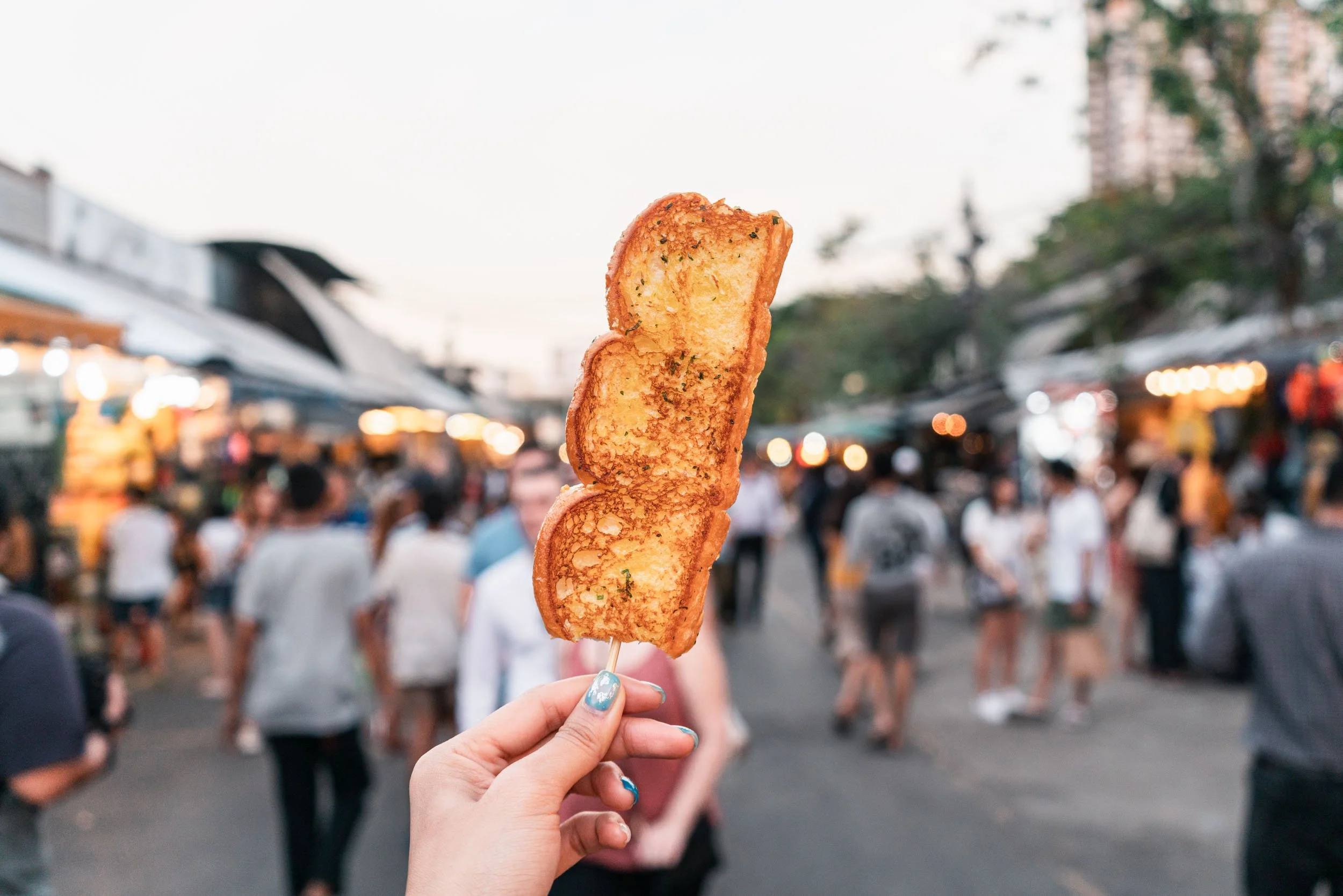
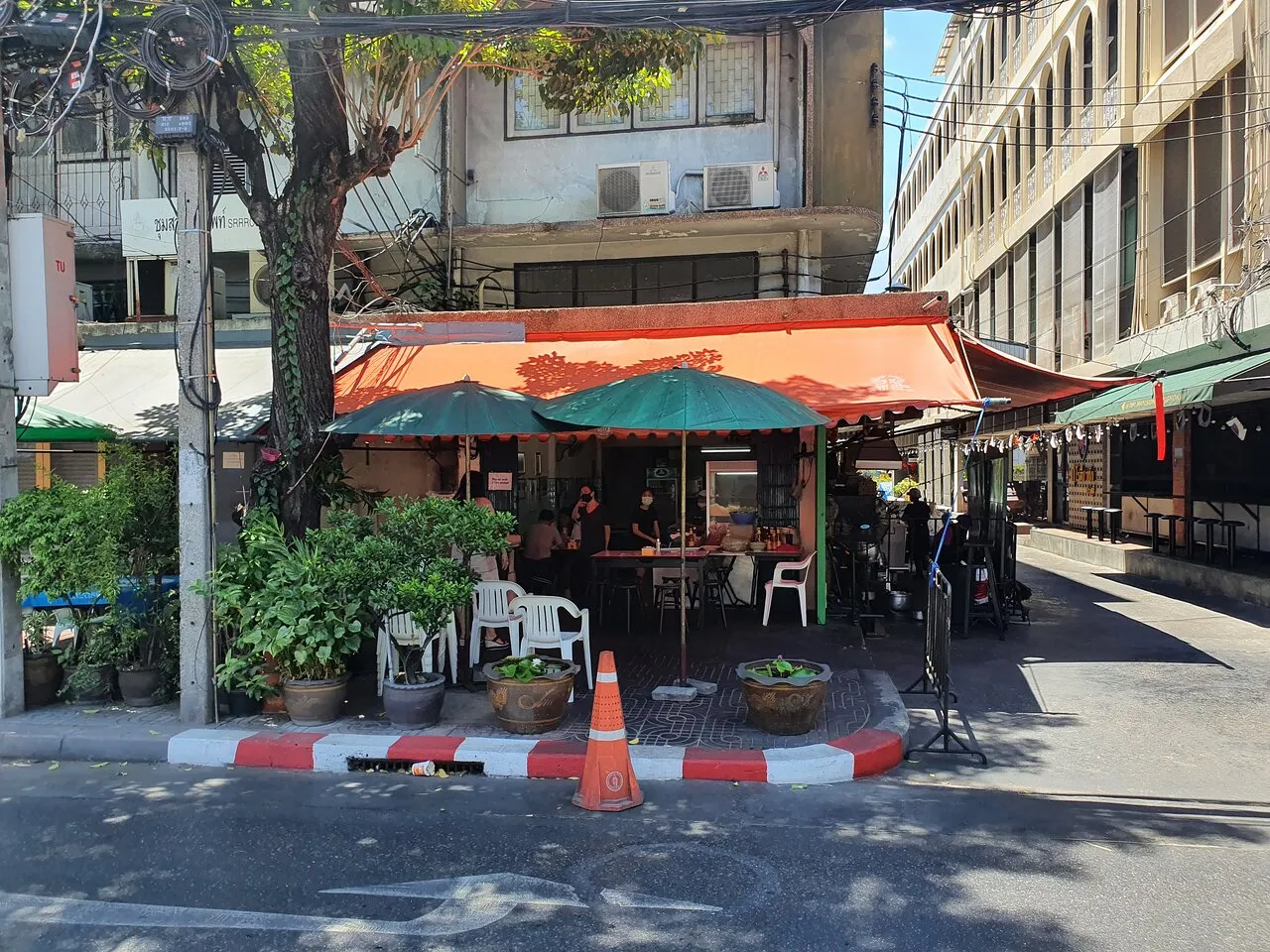
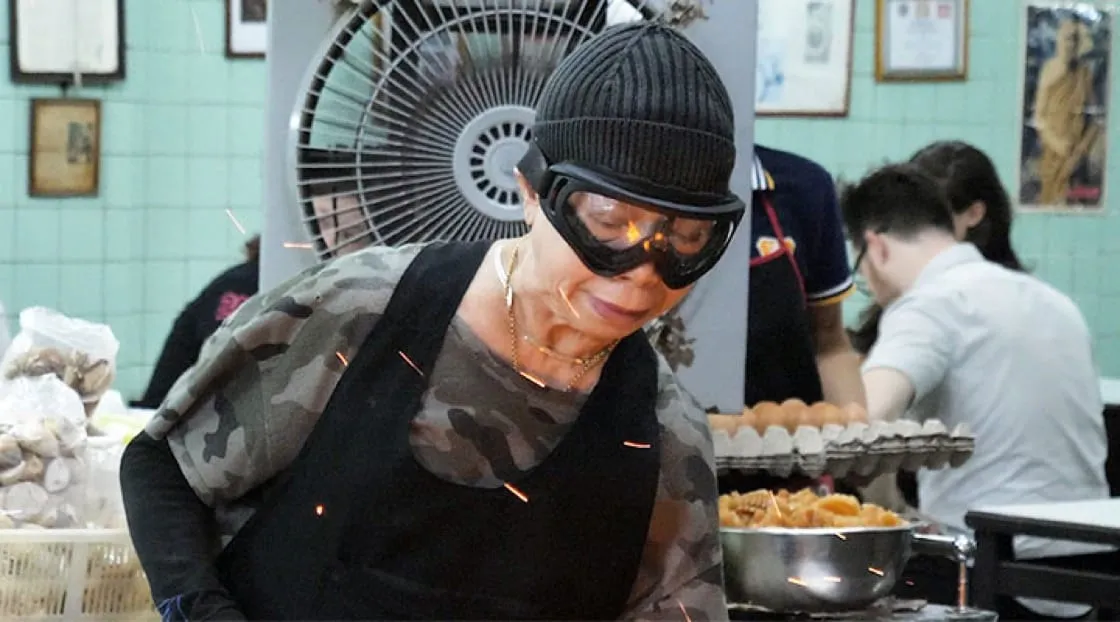
Street food stalls in Thailand are world-famous for their delicious and budget-friendly food. A good rule is to follow the locals—if a stall is busy or has a high turnover, it usually means the food is fresh and tasty.
It is best to choose food that is cooked on high heat and served fresh.
Popular street foods include:
-
Pad Thai (noodle dish)
-
Som Tum (papaya salad)
-
Gai Yang / Moo Ping (grilled chicken or pork skewers)
-
Khao Man Gai (chicken and rice)
-
Thai Roti
-
Mango Sticky Rice (dessert)

Some of the best street food areas include:
-
Yaowarat Road in Bangkok
-
Sunday Walking Street in Chiang Mai
-
Night markets in Phuket
Tip: Most street food stalls accept cash payments only. Eating fresh fruits between lunch and dinner is also recommended.
The Urban Compass: Daily Interaction Tips

Navigating cities and markets in Thailand requires a polite, flexible approach, where respect for others is a top priority.
Some helpful tips include:
-
Always remember the power of a smile, which helps maintain positive interactions.
-
Understand the importance of the wai greeting and returning it with a nod or slight bow.
-
Avoid shouting or speaking loudly in public.
-
Do not show anger openly.
-
Always respect the monarchy and avoid making jokes or criticisms about the royal family.
-
Do not point at Buddha statues or people using your feet.
-
Avoid stepping on money or over people.
-
Use ride-hailing apps like Bolt or Grab for taxis.
-
Dress appropriately when visiting temples, royal grounds, or government offices.
-
Learn a few basic Thai phrases:
-
Sawadee Khrap/Kha – Hello
-
Khop Khun Khrap/Kha – Thank you
-
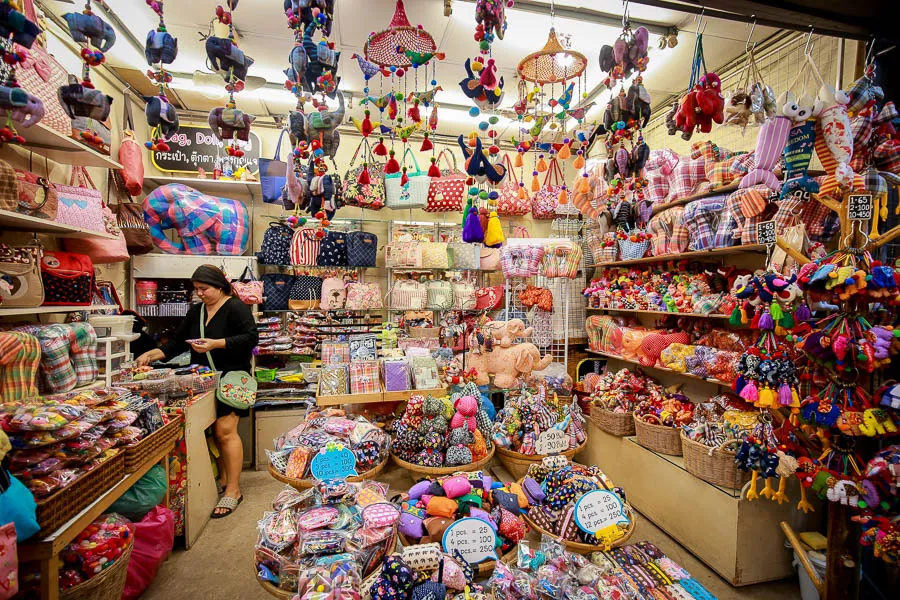
Bargaining with Kindness: The Soft Art of Negotiating Prices at Local Markets

Bargaining is often part of the shopping experience in local markets. In Thailand, bargaining is usually done in a friendly and polite manner.
Helpful techniques include:
-
Always smile and remain polite during negotiations.
-
Use the word “Phaeng” (expensive) to express that a price is high.
-
Ask for a discount when buying two or more items.
-
Start by offering around 30–40% less than the vendor’s asking price.
-
The walk-away technique can sometimes help if the price is not agreed upon.
-
Avoid bargaining over very cheap items.
Tip: Keep small Thai currency notes with you for tips and small purchases.
The Tipping Puzzle: Navigating Gratuities in Taxis, Massage Parlors, and Cafés
Tipping is not mandatory in Thailand, but it is appreciated as a gesture of goodwill.
In some service jobs, workers receive relatively low wages, so tips can be helpful. A typical tip is around 20 to 100 Thai Baht, or about 10% of the bill.
Tips are commonly given to:
-
Taxi drivers
-
Spa and massage staff
-
Café and restaurant staff
-
Hotel staff such as bellboys or housekeeping
Digital Decency: Etiquette for Photography at Sacred Sites and Rural Villages
Digital decency involves taking photographs respectfully and with consent.
Thai people expect tourists to respect royal, religious, and rural sites, as well as the local communities around them.
Special care should be taken when photographing Buddha statues or images, as these are highly respected.
Guidelines include:
-
Avoid selfies or disrespectful poses with Buddha statues.
-
Many temples allow photography, but avoid taking photos during ceremonies.
-
Do not photograph monks bathing or during private rituals.
-
Avoid using flash photography inside temples.
-
Do not stand higher than monks or point your feet toward them.
-
Always ask permission before photographing local people.
Tip: Do not take photographs in areas where photography is prohibited.
Practical Safety & Cultural Nuance

Both urban and rural areas require basic precautions when traveling. Thailand is generally a safe country with relatively low crime rates, but travelers should still remain aware of potential risks.
Occasional incidents such as bag snatching, pickpocketing, or bites from stray animals (dogs or monkeys) have been reported.
Safety tips include:
-
Drink sealed bottled water.
-
Stay alert in nightlife areas and remain in well-lit places.
-
Avoid dark or isolated areas at night.
-
Wear life vests during water activities.
-
Women should not touch monks under any circumstances.
-
Stand respectfully when the national anthem is played.
Whispered Taboos: Topics to Avoid in Casual Conversation
Certain topics are considered highly sensitive in Thailand.
Avoid making negative remarks about:
-
The Thai royal family
-
Thai politics
-
Buddhism or Buddha images
Disrespectful actions such as climbing on Buddha statues are also strictly forbidden. Violating these rules can result in legal consequences, including imprisonment from 2 to 15 years.
The “Temple Is Closed” Myth: Spotting Cultural Scams with Confidence
One of the most common tourist scams involves tuk-tuk drivers claiming that a temple is closed. Sometimes other popular tourist attractions are also falsely described as closed.
Drivers may then offer to take tourists to overpriced gemstone shops, jewelry stores, or garment stores instead.
If this happens:
-
Simply ignore the claim.
-
Check directly with official staff or security personnel at the location.
-
Avoid engaging in long conversations with scammers.
This scam occurs most frequently in Bangkok.

Frequently Asked Questions (FAQs)
1. Is it necessary to learn Thai language before visiting Thailand?
No, it is not necessary to learn the Thai language before visiting Thailand. English is widely understood in major tourist areas, hotels, and restaurants. However, learning a few basic Thai phrases such as “Sawadee Khrap/Kha” (Hello) and “Khop Khun Khrap/Kha” (Thank you) can make interactions friendlier and show respect for the local culture.
2. What is the proper way to greet someone in Thailand?
The traditional Thai greeting is called “The Wai.” It is performed by pressing both palms together and slightly bowing the head. The height of the hands depends on the level of respect being shown. Tourists can return a wai with a small bow or a polite smile.
3. Are tourists required to follow the dress code in temples?
Yes. When visiting temples in Thailand, both men and women should wear modest clothing that covers the shoulders and knees. Sleeveless shirts, mini-skirts, and very short shorts are generally not allowed. Shoes must also be removed before entering temple buildings.
4. Is public display of affection acceptable in Thailand?
Thai society is generally modest. Light gestures such as holding hands are usually acceptable, but kissing, hugging, or other strong displays of affection in public places are discouraged, especially near temples or in rural areas.
5. Can tourists take photographs inside temples?
Photography is allowed in many temples, but visitors should avoid taking photos during religious ceremonies, avoid flash photography, and never take disrespectful poses with Buddha statues. It is also polite to ask permission before photographing monks or local people.
6. Is bargaining acceptable in Thailand’s markets?
Yes, bargaining is common in local markets and street stalls. However, it should always be done politely and with a smile. Avoid bargaining aggressively or over very cheap items, as it may be considered disrespectful.
7. Do tourists need to tip in Thailand?
Tipping is not mandatory, but it is appreciated in many service industries such as taxis, restaurants, spas, and hotels. A tip of 20–100 Thai Baht or about 10% of the bill is usually considered appropriate.
8. What cultural mistakes should tourists avoid in Thailand?
Some important things to avoid include:
-
Touching someone’s head
-
Pointing feet toward people or Buddha statues
-
Speaking negatively about the royal family
-
Wearing inappropriate clothing in temples
-
Showing anger or raising your voice in public
Respecting these cultural norms helps visitors enjoy a smoother and more pleasant travel experience.
Conclusion
Thailand is a country rich in culture, traditions, and hospitality. From the warmth of a Thai smile to the peaceful atmosphere of temples and the vibrant energy of street markets, every experience reflects the unique spirit of Thai society.
Understanding the basic customs, etiquette, and cultural values can greatly enhance a traveler’s journey. Small gestures such as smiling, greeting with a wai, dressing respectfully in temples, and showing kindness in everyday interactions help build positive connections with local people.
By respecting Thai traditions—especially regarding religion, the monarchy, and social harmony—tourists not only avoid cultural misunderstandings but also gain a deeper appreciation of Thailand’s heritage.
With its delicious cuisine, welcoming people, and fascinating cultural practices, Thailand offers an unforgettable experience for every traveler.
Respect the culture, travel with an open heart, and enjoy the true spirit of Thailand — the Land of Smiles. 🌏✈️
It’s Time to Visit Thailand
Zach Cameron & Zahid Karim
Travel Analyst | 11+ years experience




Community Insights
Join the conversation
Login or create an account to share your thoughts and react to comments.