
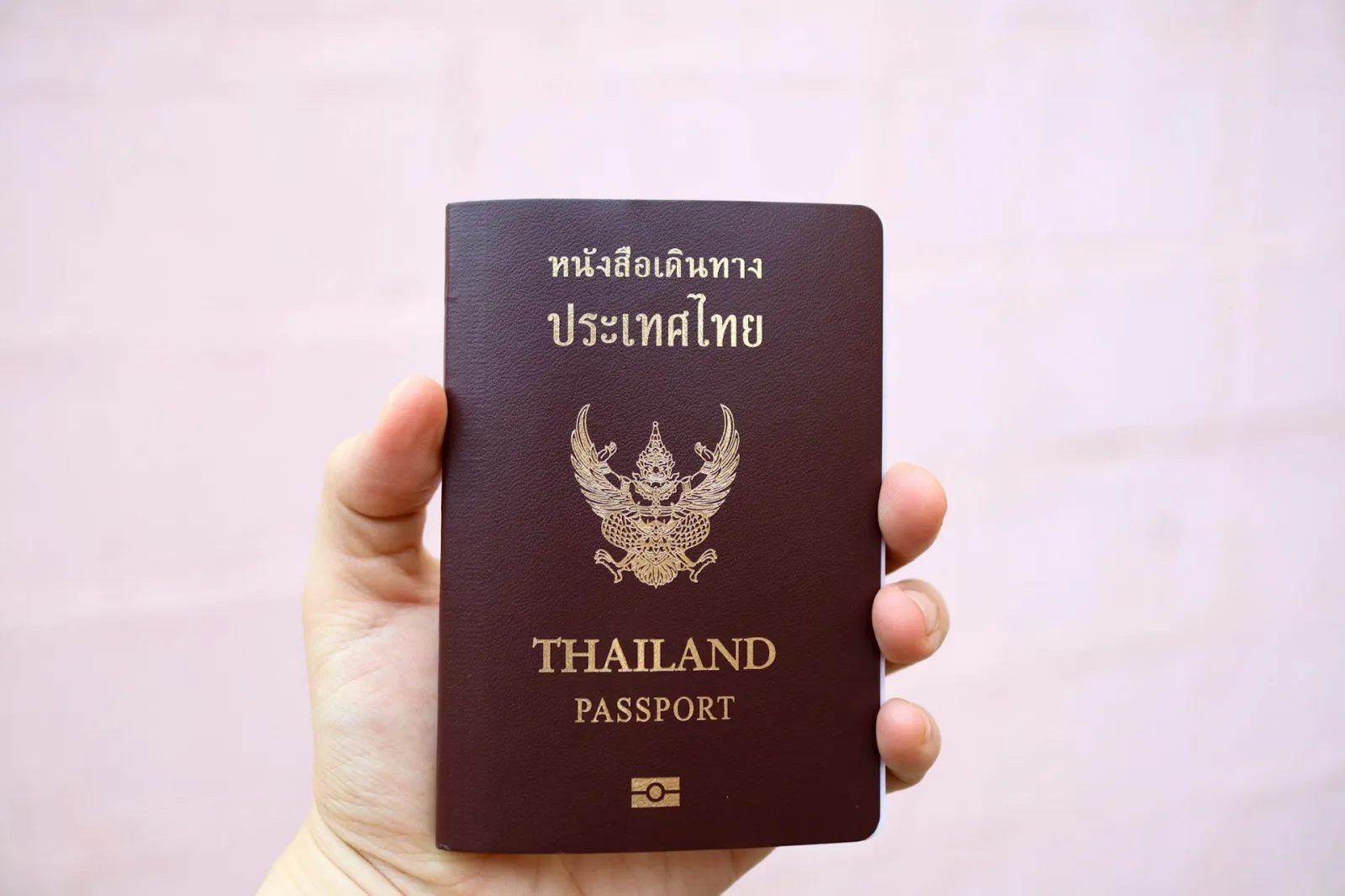
Thailand, located in Southeast Asia, is one of the most visited countries in the world thanks to its traveler-friendly visa policies. Known for its rich culture, beautiful beaches, and modern tourism infrastructure, Thailand welcomes millions of visitors each year with relatively simple entry requirements.
Approximately 93% of Thailand’s population practices Buddhism, and the country has a population of over 71 million (2024). The national language is Thai, the capital city is Bangkok, and the local currency is the Thai Baht (THB).
The Royal Thai Ministry of Foreign Affairs manages the country’s visa system, which is designed to encourage tourism while maintaining secure borders.
Basic Thailand Visa Requirements

Regardless of nationality, most travelers must meet the following entry conditions:
-
A passport valid for at least 6 months from the date of arrival
-
Proof of sufficient funds (typically 10,000–20,000 THB per person)
-
A confirmed return or onward ticket within the permitted stay period
-
Proof of accommodation (hotel booking or host details may be requested)
Immigration officers may ask for supporting documents, so it is always wise to carry both digital and printed copies.
Types of Thailand Visas

Thailand offers multiple visa options depending on your nationality, travel purpose, and intended length of stay.
1. Visa Exemption (30–60 Days)
Travelers from over 90 countries, including the USA, UK, most EU nations, Japan, Australia, and Canada, can enter Thailand without obtaining a visa in advance.
Key Benefits:
-
No visa application required
-
Faster airport processing
-
Ideal for short vacations
Depending on bilateral agreements, visitors are typically granted 30 to 60 days and may extend their stay once for an additional 30 days at a Thai immigration office.
Best for: Tourists, short holidays, and first-time travelers.
2. Visa on Arrival (VOA) – Up to 15 Days
The Visa on Arrival program allows eligible travelers to obtain a visa directly at designated Thai airports.
Countries commonly eligible include India, China, Saudi Arabia, and several others.
Important Details:
-
Visa fee: approximately 2,000 THB (subject to change)
-
Processing time may vary depending on airport traffic
-
Travelers should carry cash in Thai Baht
Best for: Last-minute travelers or short leisure trips.
Tip: Applying online before arrival (eVOA where available) can significantly reduce waiting times.
3. Tourist e-Visa (Up to 60 Days)
Thailand’s e-Visa system allows travelers to apply online before departure, eliminating the need to visit an embassy.
Advantages:
-
Convenient online process
-
Less airport stress
-
Suitable for longer vacations
Once approved, travelers typically receive up to 60 days, with the option to extend for another 30 days.
Best for: Travelers planning extended holidays or those who prefer securing entry approval in advance.
4. Non-Immigrant Visa (90 Days or More)
The Non-Immigrant Visa is designed for individuals traveling for purposes beyond tourism, such as:
-
Employment
-
Business
-
Education
-
Retirement
-
Staying with family
Work visa applicants usually require authorization from Thailand’s Ministry of Labor.
Best for: Long-term stays and professional travel.
Thailand Visa Extensions
Many visas can be extended once for 30 additional days by visiting a Thai Immigration Office in Bangkok or other major cities.
It is recommended to apply for extensions before your permitted stay expires to avoid penalties.
Overstay Penalties
Overstaying your visa is taken seriously in Thailand.
-
Fine: 500 THB per day, up to a maximum of 20,000 THB
-
Severe overstays may result in deportation and a ban on re-entry
Always monitor your visa validity and plan your departure accordingly.
Important Travel Tips
-
Check the latest visa rules before traveling, as policies may change.
-
Keep copies of important documents.
-
Ensure your passport has blank pages for stamps.
-
Consider travel insurance for added security.
When in doubt, consult the nearest Thai embassy or official government website.
Frequently Asked Questions (FAQs)

Who can enter Thailand without a visa?
Citizens from over 90 countries, including the USA, UK, EU nations, Australia, and Japan, typically qualify for visa exemption.
How much bank balance is required for Thailand?
Travelers should be able to show at least 10,000 THB per person or 20,000 THB per family if requested by immigration officers.
Can I extend my Thailand tourist visa?
Yes. Most tourist visas and visa exemptions can be extended once for 30 days at an immigration office.
What happens if I overstay my visa?
You will be fined up to 20,000 THB, and serious cases may lead to travel bans.
Is Visa on Arrival guaranteed?
No. Immigration officers have the final authority to approve entry, so ensure all documents are ready.
Which visa is best for tourists?
Visa exemption or the tourist e-Visa are typically the easiest and most convenient options.
Thailand’s flexible visa policies make it one of the easiest destinations to visit, whether you are planning a short holiday, an extended getaway, or a long-term stay. By understanding the requirements and preparing your documents in advance, you can ensure a smooth arrival and focus on enjoying everything this incredible country has to offer.

Sirin Kittikul
Travel Analyst | 4+ years experience






Community Insights
Join the conversation
Login or create an account to share your thoughts and react to comments.